
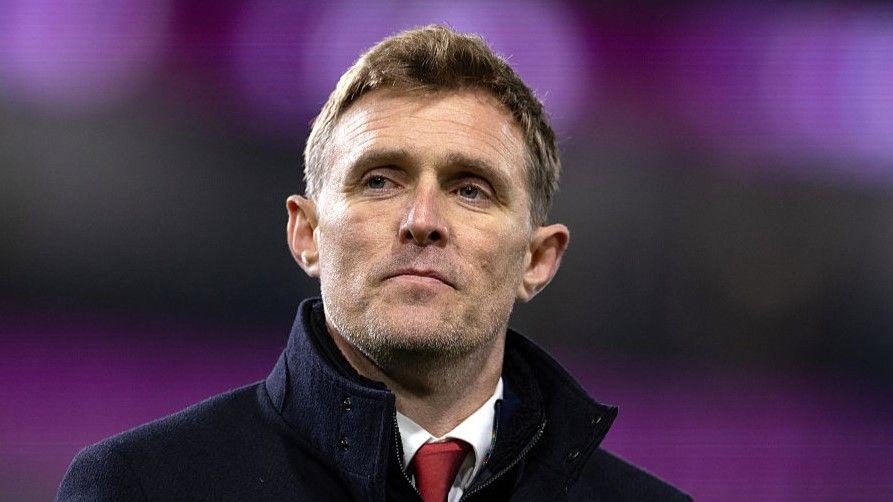
Manchester United’s turbulent 2025-26 season shows little sign of stabilisation. A 2-2 draw at Burnley on January 8, 2026, reinforced that the club’s problems extend far beyond the dugout. Interim manager Darren Fletcher confirmed he will lead the team for Sunday’s FA Cup third-round home tie against Brighton, but the Burnley performance underscored persistent defensive vulnerabilities and profligacy in front of goal.
Fletcher’s Interim Role Extended
Fletcher, stepping in after Ruben Amorim’s sacking on January 5, guided United to a point at Turf Moor in his debut match. Post-game, he revealed club leadership—chief executive Omar Berrada and director of football Jason Wilcox—tasked him with the Brighton fixture.
“They informed me they would like me to take the team on Sunday,” Fletcher said. “All my focus and energy goes on that now.”
This continuity provides short-term clarity as United explore caretaker options, reportedly including Ole Gunnar Solskjaer and Michael Carrick. A permanent appointment remains targeted for summer 2026.
Persistent Problems on Display
The Burnley result epitomised United’s season. Despite 30 shots (10 on target) and dominance, they settled for a draw against a relegation-threatened side. Benjamin Sesko’s brace—his first goals since October—gave hope, but a late concession highlighted familiar flaws.
Fletcher was candid: “We give up goals too easily. As a team we need to improve in defending and not concede so many.”
United have kept only two clean sheets all campaign. Since November, their record against bottom-eight teams stands at two wins from 10 matches. Recent games against Wolves, Leeds, and Burnley yielded just three draws.
Chance conversion remains a concern. Despite exceeding Amorim’s goals-per-game average (1.4) in Fletcher’s opener, United squandered numerous opportunities—Burnley cleared twice off the line, Sesko missed a hat-trick chance, and Lisandro Martinez saw a goal disallowed.
Recent Results Against Lower-Table Opposition
| Opponent | Date | Result | Key Issue |
|---|---|---|---|
| Wolves | December 2025 | Draw | Conceded late |
| Leeds | January 5, 2026 | 1-1 | Triggered Amorim’s exit |
| Burnley | January 8, 2026 | 2-2 | Dominated but dropped points late |
Bright Spots Amid Frustration
Sesko’s clinical finishes—from passes by Bruno Fernandes and Patrick Dorgu—offered encouragement. The £73.7m summer signing from RB Leipzig now has four goals, ending a five-month drought.
Fletcher highlighted pre-match work: “I showed him videos of his movement. It’s about keep believing—hopefully they start flooding in.”
Equally promising was Shea Lacey’s six-minute cameo. The England Under-20 winger struck the bar with a curled effort and nearly scored late. Previously debuted briefly by Amorim but underused, Lacey impressed with creativity and fearlessness.
Fletcher enthused: “He is exciting, direct, fearless. He will be a big part of Manchester United’s future—I have no doubts.”
The Bigger Picture
Directors Berrada and Wilcox watched intently from the Turf Moor box, aware that tactical tweaks—like reverting to a back four—offer no quick fix. United’s issues span recruitment, cohesion, and resilience.
The FA Cup represents their last realistic silverware chance. Victory over Brighton could build momentum, but daunting Premier League tests against Manchester City (home) and Arsenal (away) loom.
Fletcher’s pragmatic approach focuses on immediate tasks. Yet the Burnley draw served as a reminder: resolving Manchester United’s challenges demands comprehensive solutions beyond managerial musical chairs.
As caretaker discussions progress, supporters hope for renewed energy. For now, Fletcher’s steady hand guides a squad desperate to rediscover winning habits.

