
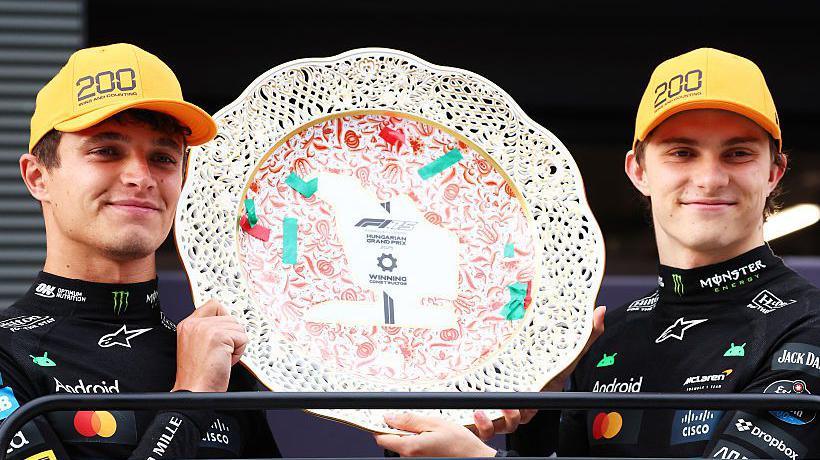
McLaren team principal Andrea Stella has labelled the workload for the 2026 Formula 1 season “unprecedented” as teams tackle the most comprehensive regulation changes in the sport’s history. Simultaneous overhauls to chassis, power units, tyres, and aerodynamics reset the competitive landscape, forcing extensive redesign efforts. With McLaren entering as reigning constructors’ champions, Stella’s insights reveal both the challenges and excitement of this transformative era.
The Scale of 2026 Technical Changes
Formula 1’s 2026 regulations represent the biggest shake-up since the turbo-hybrid introduction in 2014—and arguably ever. Key shifts include:
- Power units delivering approximately 50% electric power (up from ~20%)
- Fully sustainable fuels
- Active aerodynamics for front and rear wings, replacing DRS
- Manual overtake boost mode using additional electrical energy
- Lighter cars (~30kg reduction) with modified dimensions
Stella noted: “Never before has there been such a huge and simultaneous change of chassis, power unit, and tyres.” This convergence demanded extraordinary resources over 20 months—the most intensive project in his career.
The changes aim for closer racing, sustainability, and manufacturer appeal (new entries like Cadillac and Audi).
McLaren’s Development Strategy
McLaren prioritised performance optimisation over early testing. They plan to begin running on day two or three of the Barcelona pre-season test (January 26-30, 2026), skipping the opener.
Stella explained: “Every day of development adds performance… Committing early compromises ultimate potential.”
This approach mirrors Aston Martin’s, contrasting teams like Mercedes (Silverstone shakedown) and new entrants completing early runs.
Anticipated On-Track Impact
Racing dynamics will evolve significantly. Limited energy recovery forces strategic deployment—drivers choose when to expend battery charge for acceleration.
Stella predicted: “It may look a little weird… One car can overtake easily another.” Technical director Mark Temple added that higher electrical power enables bigger single-straight boosts, but depletes reserves, exposing vulnerabilities later.
Overtaking, attacking, and defending become more nuanced, with energy state influencing strategy.
Driver Policy and Team Philosophy
McLaren retain their open racing approach between Lando Norris and Oscar Piastri. After championship battles in recent seasons, Stella confirmed continuity: “We will keep racing the McLaren way.”
Fairness, integrity, and equal opportunities remain core. Fine-tuning streamlines operations without altering principles.
This collaborative ethos contributed to past success, with both drivers supporting the method.
Challenges and Opportunities Ahead
The reset levels the field: “Everyone starts from zero,” Stella said. McLaren’s championship pedigree offers no carry-over advantage.
Pre-season testing—closed doors, three days per team—precedes the Bahrain opener (March 2026).
Why 2026 Matters for F1’s Future
These regulations balance spectacle, sustainability, and competition. Active aero and energy management promise dynamic races; new power units attract manufacturers.
McLaren’s meticulous preparation positions them well, but outcomes remain uncertain in this bold new era.
Andrea Stella’s team embraces the challenge. As Formula 1 evolves, McLaren aims to lead the transformation—blending innovation with racing purity.
The 2026 season promises intrigue. McLaren’s journey will captivate as the grid adapts to revolutionary rules.

