
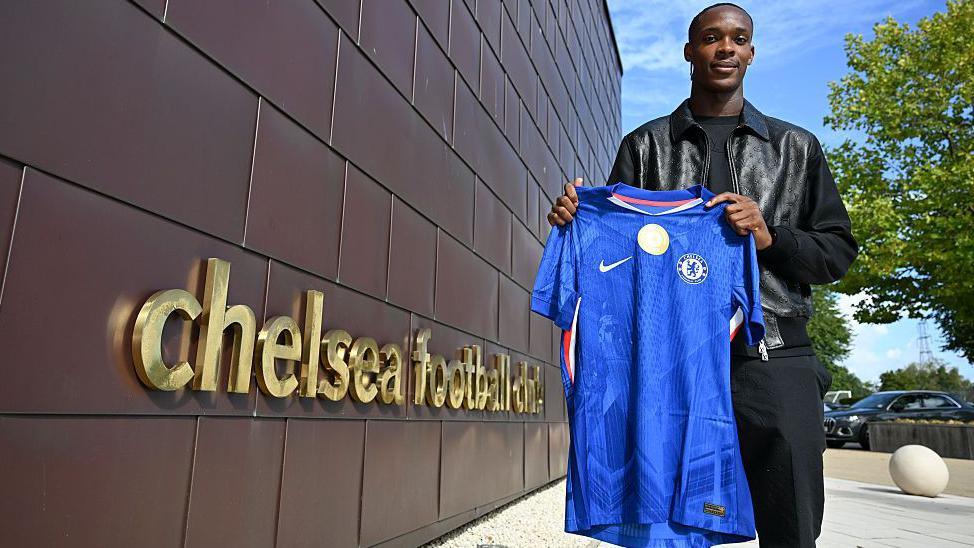
Multi-club ownership (MCO) has reshaped modern football, offering clubs shared resources and development pathways while raising questions about fairness and competition integrity. Chelsea’s relationship with RC Strasbourg, both under BlueCo consortium since 2023, exemplifies this trend. With 12 transfers completed in the 2025-26 season alone—including David Datro Fofana’s deadline-day loan—the volume of deals has intensified scrutiny. Yet these transactions remain compliant with regulations, prompting a nuanced debate: do they undermine the sport or represent smart, evolving management?
The Scale of Chelsea-Strasbourg Activity
The partnership began yielding results shortly after BlueCo’s investment. In Strasbourg’s first three years under new ownership, transfer spending surged dramatically compared to pre-2023 figures.
| Period | Average Annual Spending (approx.) | Notable Impact |
|---|---|---|
| Pre-BlueCo (2020-2023) | £6-9 million | Limited market activity |
| Post-BlueCo (2023-2026) | £50-96 million | Top spender in Ligue 1 some windows |
This influx enabled Strasbourg to compete for European spots, outspending even Paris Saint-Germain in certain windows. Recent deals highlight fluidity: central defender Mamadou Sarr joined Chelsea permanently before loan returns and recalls; Aaron Anselmino shifted from a Borussia Dortmund loan to Strasbourg; Ishe Samuels-Smith experienced a brief Strasbourg stint before redirection.
Other movements include Ben Chilwell’s free transfer to Strasbourg and confirmed future arrival of captain Emmanuel Emegha at Chelsea. Even head coach Liam Rosenior moved to Stamford Bridge, illustrating non-player exchanges.
Advantages for Player Development and Clubs
Proponents, including BlueCo, emphasize strategic benefits. Young talents gain regular minutes at Strasbourg, returning improved—examples include Andrey Santos and Djordje Petrovic, whose value rose significantly (Petrovic sold for double his acquisition fee). Strasbourg rejects big offers for stars like Joaquin Panichelli, leveraging enhanced finances.
This aligns with broader MCO logic: optimized pathways without traditional loan restrictions. FIFA caps international loans at six (three to one club) for players over 21, which Chelsea fully utilizes without exceeding.
Concerns Over Integrity and Market Distortion
Critics argue high-volume related-party deals risk distorting transfers, prioritizing ownership needs over fair market value. UEFA’s 2023 report warned MCOs could lead to inflated or deflated fees, harming “trainer clubs.” Integrity issues arise in potential European clashes, prompting past exclusions (e.g., Crystal Palace demotion).
FIFA previously curbed “loan armies” in 2022, influenced partly by Chelsea’s practices. However, current sentiment shows limited desire for further changes, as half of top-five league clubs involve MCOs. Finance expert Kieran Maguire notes enforcement challenges: “They will find another loophole.”
Comparisons abound—Red Bull’s Salzburg-to-Leipzig transfers, City Group’s movements, or non-MCO examples like Watford-Udinese links under Pozzo family ownership. Nottingham Forest’s deals with Botafogo echo similar patterns.
Premier League safeguards ensure fair valuations, with past discussions (e.g., Newcastle’s Saudi ties) yielding no bans on related loans.
Governing Bodies’ Stance and Future Outlook
UEFA enforces strict entry rules for its competitions, banning inter-club transfers in overlapping seasons and advancing compliance deadlines. Chelsea asserts preparedness for joint qualification. FIFA focuses on development and balance but avoids unequal treatment.
No evidence suggests imminent investigations into Chelsea-Strasbourg specifically. The model persists across football, from Red Bull to independent ownership overlaps.
Balancing Innovation and Tradition in Football
Chelsea-Strasbourg deals highlight MCO’s double-edged nature: innovative for resource-sharing and talent nurturing, yet challenging for competitive equity. Fans and analysts remain divided—some view it as progressive evolution, others as eroding traditional independence.
As football globalizes, MCOs seem entrenched. Chelsea’s approach, while prominent, fits industry norms. The real test lies in sustained on-pitch success and regulatory adaptation, ensuring the game’s spirit endures amid structural change.
Whether these transfers ultimately “harm” football depends on perspective: they reflect ambition and efficiency, but ongoing oversight aims to preserve fairness for all.

