Navarro Opens Up on Health Struggles That Caused ‘Deep Anger’ on Court and Ends 2026 Season
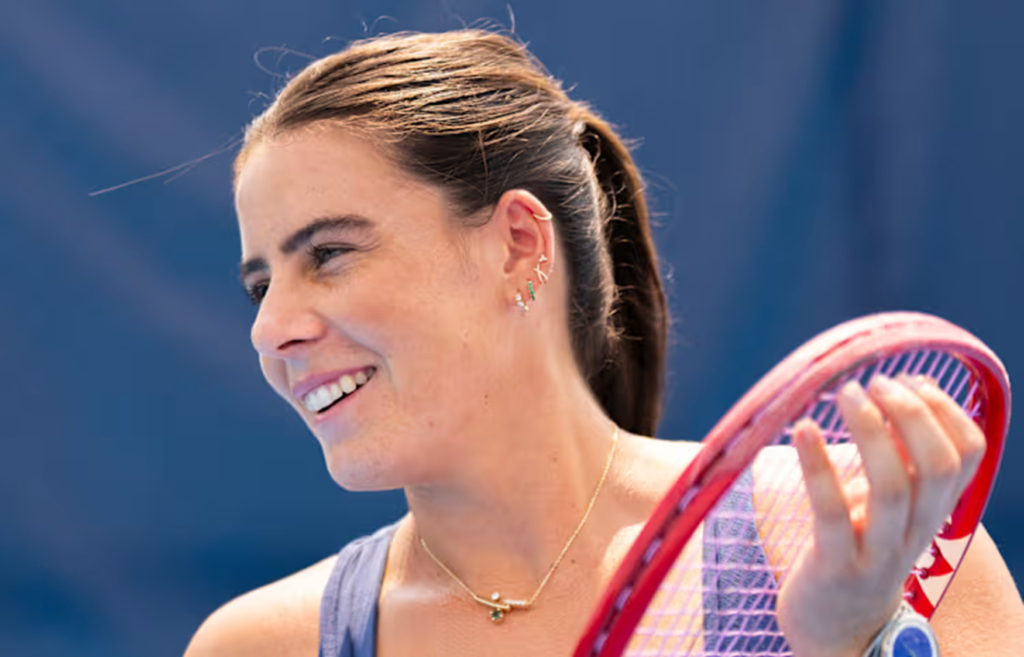
American tennis star Emma Navarro has spoken candidly about a three-year health battle that left her battling fatigue, significant weight loss, brain fog and uncharacteristic “deep internal anger” on the court. In a detailed Instagram post, the 25-year-old revealed diagnoses of Relative Energy Deficiency in Sport (RED-S) and Hashimoto’s hypothyroidism, explaining how the conditions affected both her performance and her well-being. She has also confirmed she will miss the remainder of the 2026 season to prioritise recovery.
Navarro, currently ranked around No. 24 and a former world No. 8, described symptoms that began during her breakthrough years on the professional circuit. What started as a drive to optimise performance gradually turned into a complex medical challenge that went undiagnosed for a long time.
The Origins of the Struggle
The problems first surfaced around 2023, when Navarro was playing a heavy schedule of matches across the ITF and WTA tours. She won titles and climbed the rankings rapidly, yet her body was sending warning signals. She lost a substantial amount of weight—approximately 14 kilograms across 2023 and 2024—while experiencing constant hunger.
“I thought I was doing what professional athletes are supposed to do, getting lean to optimise performance,” she wrote. Instead of feeling stronger, she began experiencing irritability, frustration, perfectionism, worry and, most strikingly, anger. Navarro recalled a particularly vivid episode during the Hobart International.
“I remember feeling deep internal anger on the court that week in Hobart, like I wanted to smash every racket in my bag (something I had never done or wanted to do). Everything began to annoy me. My team, other people, anything that didn’t align with my specific preferences or routines, any imperfection on the court, every mistake, every point I lost.”
She tried hard to hide how she felt, but the internal pressure continued to build.
Worsening Symptoms and Delayed Diagnosis
Throughout 2025 the physical and mental symptoms intensified. Navarro dealt with headaches, dizziness, brain fog, fatigue, anxiousness and mood swings. Simple tasks became difficult. She struggled to think clearly, remember details or articulate thoughts. Her immune system also weakened, leaving her frequently unwell.
Despite these challenges, she continued competing. She reached the quarter-finals of the 2025 Australian Open while managing the symptoms and later achieved further results, including a title in Strasbourg and a US Open quarter-final run in 2026. Yet the underlying issues remained unresolved until the autumn of 2025.
After consultations with doctors, nutritionists and specialists, Navarro received the dual diagnosis. RED-S occurs when the body does not receive sufficient energy to support both training demands and basic physiological functions. Hashimoto’s hypothyroidism, an autoimmune condition affecting the thyroid, further complicated energy regulation and metabolism. Specialists concluded she had been under-fuelling for nearly three years.
“My body was screaming at me for years, and I ignored it,” she reflected.
Recovery and a New Perspective
Once the diagnoses were clear, Navarro committed fully to recovery. She increased her energy intake, adjusted her diet, began appropriate medication and accepted the physical changes that accompanied healing. Progress was gradual, but meaningful.
“So yeah, I gained some weight this year. But I also gained my life back,” she wrote. “I have enough energy to seize every day, to train or compete as hard as I want to, and to live a life outside of tennis.”
The early struggles of the 2026 season—nine losses in her first 13 matches and a withdrawal from the Charleston Open—were linked to the ongoing recovery process. Although she returned and produced competitive results later in the year, she has decided that full recovery requires more time away from the tour.
Looking Ahead to 2027
Navarro plans to use the remainder of 2026 to refine her medication and fuelling protocols. Her goal is to return feeling closer to 100 percent for the 2027 Australian Open. The decision prioritises long-term health over short-term ranking points or results.
Her openness carries significance beyond her own career. Relative Energy Deficiency in Sport remains under-discussed in elite athletics, particularly when it intersects with autoimmune conditions. By sharing her experience in detail, Navarro hopes her story may help others recognise similar warning signs earlier.
The American’s journey illustrates the fine line many athletes walk between maximising performance and protecting their health. Success on the court came alongside mounting physical and emotional costs. Only after diagnosis and deliberate recovery has she been able to reclaim energy, clarity and a sense of balance.
Navarro’s message is clear. No ranking, no weight on the scale and no measure of leanness outweighs overall well-being. As she steps away from competition for the rest of the season, she does so with a renewed understanding of what sustainable excellence requires. Fans and fellow players will watch her return in 2027 with interest, hoping the hard-won lessons of the past three years allow her to compete with both strength and health fully restored.
Follow for real-time match analysis!🚀
Discover more from DeeplyticAI
Subscribe to get the latest posts sent to your email.