
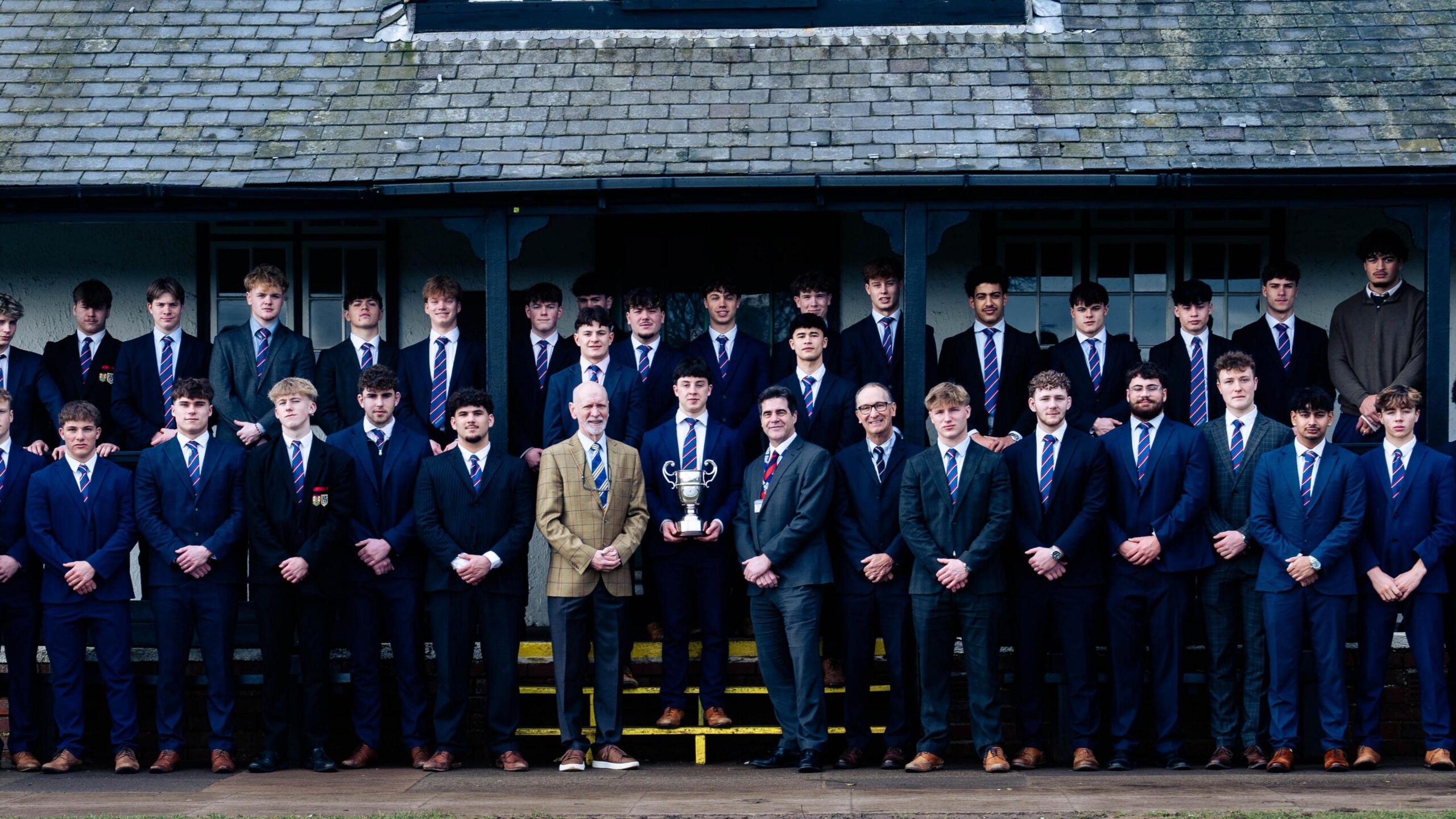
Northampton School for Boys (NSB) is proving that elite rugby in England is no longer the preserve of private institutions. As of March 2026, this state-funded comprehensive school stands as the top-ranked rugby-playing school in the country according to the Daily Mail Trophy merit table—the first state school ever to top the standings since the competition began in 2013.
NSB’s boys are chasing a historic schools double: victory in the Under-18 Continental Tyres Cup final against Epsom College at Twickenham on March 19, 2026, alongside strong runs in national cup competitions at other age groups. With 19 players in Northampton Saints’ under-18 academy, 21 in the under-16 foundation stage, and seven current under-18 internationals, NSB has become a genuine powerhouse.
A Typical Day: Discipline and Development
A Monday at NSB begins at 8:00 a.m. in the swimming pool, where more than a dozen teenage boys stretch and complete aqua-based recovery work. They then move to the gym for a 30-minute strength and conditioning session, grab breakfast, change into school uniform, and head to lessons—all before most teenagers have finished their first class.
This structured routine reflects the school’s philosophy: rugby excellence is earned through consistent effort, not purchased through facilities or scholarships. Director of rugby Phil Beaumont emphasises that “everything here is earned.”
Prop Aidan Reid, now in England Under-18 colours, left fee-paying Bedford School to join NSB a few years ago. “We don’t have the facilities, but we have coaches and parents that care, who ultimately want to be the best and compete,” Reid says. “State-schoolers can compete.”
Financial Realities and Community Support
NSB operates on a rugby budget “well below” £50,000 per year—modest compared with many independent schools. Coaches are unpaid volunteers, and the school relies on local businesses to supply kit and equipment at cost price.
Transport, kit, and match-day logistics are funded through fundraising and sponsorships. Beaumont highlights the importance of small contributions: “Anything that brings a slight advantage will make a difference—whether that’s someone donating tape, our shirts being sponsored, parents dropping off for fixtures.”
This community-driven model has proven sustainable and effective, allowing NSB to compete with far better-resourced opponents.
Partnership with Northampton Saints
NSB’s official partnership with Northampton Saints has been crucial. The school supplied the most players to Saints’ under-18 academy this season, and four players are expected to receive first-team academy contracts in 2026.
Assistant first-team coach Adam Baker explains the pathway: “When we get into sixth form and into that first-team setting, we will try and put them through a programme that matches up with an academy programme, so if they go into that pathway, they are fully aware and prepped.”
Past NSB alumni include England internationals Steve Thompson, Courtney Lawes, and Ollie Sleightholme—proof that the pathway works.
A Broader Movement in State-School Rugby
NSB is not alone. The Rugby Football Union’s ACE (Academy, Colleges and Education) League supports 22 of the strongest state schools. England internationals George Martin, Joe Heyes, and Harry Randall all emerged through this route.
NSB defeated fellow state school Campion School (Essex) in a thrilling Continental Tyres Cup semi-final, played in front of over 1,000 spectators. The match showcased high-octane rugby and demonstrated the growing competitiveness of state-school programmes.
Beaumont sees this as part of a wider shift: “Growing state-school rugby is a one-step-at-a-time process… Rugby needs every state school to push and develop rugby. This is the perfect time. State-school rugby could be really special.”
Leadership and Culture
Captain Jack Lewis, an 18-year-old back-rower who made his Northampton Saints debut this season, embodies the NSB ethos. Having joined the Saints academy at 14 and progressed through NSB’s system, he credits the school with shaping him both as a player and a person.
“NSB taught me how to act—it’s the closest thing to a professional environment,” Lewis says. “A lot of people work hard behind the scenes, they sacrifice their time. It’s given me so much as a player and a student.”
With the Twickenham final against Epsom College looming, Lewis and his teammates are determined to make history. “I’ve never played at Twickenham—it would be a great achievement if we could lift the cup there. We want to show what NSB stands for.”
Northampton School for Boys is challenging long-held assumptions about English rugby. Through hard work, community support, strategic partnerships, and a relentless culture of improvement, this state school has risen to the summit of schoolboy rugby in England. Their success proves that talent and desire—not wealth or privilege—can still define the sport’s future.

