
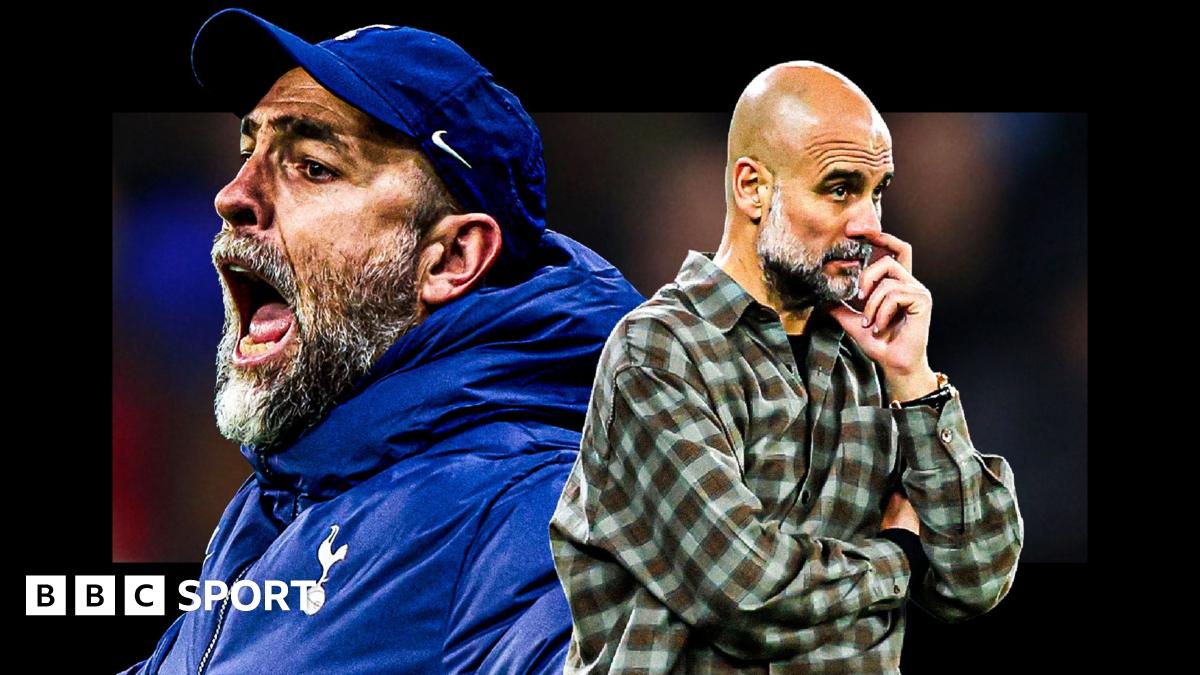
The UEFA Champions League round of 16 in March 2026 delivered a stark reality check for English football. After six Premier League clubs advanced to the knockout stages—the first time all qualified teams reached the last 16—the competition exposed significant vulnerabilities. Four English sides—Manchester City, Chelsea, Newcastle United, and Tottenham Hotspur—were eliminated across two legs, conceding a combined 28 goals. Only Arsenal and Liverpool progressed to the quarter-finals.
This marked the first time four teams from one nation exited at the same stage. The results raised questions about Premier League dominance, fatigue, tactical mismatches, and the growing physical and technical gap with Europe’s elite.
Tough Draws and No Easy Paths
The new Champions League format offered no soft options in the last 16. Five of the six English teams finished in the top eight of the league phase, earning direct entry. Newcastle advanced through the play-offs. Meanwhile, several European heavyweights dropped into the knockout lottery but generally prevailed over two legs.
Manchester City faced Real Madrid for the sixth time in seven campaigns, losing 5-1 on aggregate. Chelsea were overwhelmed 8-2 by defending champions Paris Saint-Germain. Newcastle held Barcelona for 135 minutes but collapsed in the second leg of their tie, exiting 8-3. Tottenham, battling relegation concerns, fell 7-5 to Atletico Madrid.
Opta had predicted four English teams would advance before the first legs. After the opening matches, only Arsenal and Liverpool remained favorites—against comparatively favorable opponents Bayer Leverkusen and Galatasaray.
Fatigue, Injuries, and a Packed Schedule
Premier League managers have long criticized the relentless fixture list. Clubs in multiple competitions played over 100 matches in 18 months with minimal rest. Chelsea boss Liam Rosenior highlighted exhaustion after their PSG defeat, while Pep Guardiola cancelled training before the Real Madrid second leg to prioritize recovery.
By March 2026, the top eight players in minutes played across Champions League last-16 teams all represented Premier League clubs, led by Liverpool’s Virgil van Dijk. The absence of a winter break—unlike Ligue 1, Bundesliga, and La Liga (10–17 days)—exacerbated fatigue and injury risk, particularly for Tottenham.
Tactical and Stylistic Gaps
The Premier League’s reputation as Europe’s most competitive league is supported by Opta power rankings: even bottom-half teams rank higher than many La Liga and Serie A sides. However, this intensity may come at a cost.
Premier League matches often feature cautious, men-behind-the-ball approaches, slow build-ups, and set-piece emphasis. Average passes per game fell to 873.3 (lowest since 2012-13), while 28.3% of goals came from corners, free-kicks, or throw-ins. Long throws averaged 3.97 per game—double recent seasons.
European opponents, by contrast, punish mistakes on the counter-attack and maintain high technical quality. BBC tactics correspondent Umir Irfan noted: “Premier League teams recruit powerful athletes to match physicality, sometimes at the expense of high-end technical quality… leaving them underprepared to defend against impressive technical ability.”
Former Crystal Palace winger Andros Townsend added: “In the Champions League they’re more decisive on the counter-attack. If you make a mistake or lose the ball you get punished.”
Financial Power vs. European Execution
The Premier League’s financial strength provides superior squad depth, yet English clubs struggled to rotate effectively against technically superior opponents. Real Madrid, despite injuries, used 32 players in La Liga to manage minutes for Europe. PSG rested players ahead of Chelsea despite domestic struggles.
Stephen Warnock observed: “You can’t take your foot off the gas in the Premier League but it feels like you almost can in other leagues… For Real Madrid, everything is about the Champions League.”
Is This Normal or a Warning?
Four English teams in the quarter-finals would have been historic (previous best: four in 2007-08, 2008-09, 2018-19). Two advancing aligns with recent norms—two English clubs reached the last eight in four of the past 10 seasons, one in three others.
Andy Reid cautioned against arrogance: “There’s a degree of arrogance towards other leagues… You can’t underestimate them—they’re absolutely top. You go into those games thinking you can run over the top… but you’ll quickly realise they can hit you.”
The Premier League remains financially dominant, but these Champions League exits highlight tactical, physical, and rotational challenges. Arsenal and Liverpool carry English hopes forward, while the other four face early reflection on what went wrong.

