PSG 5-4 Bayern Munich: A Record-Breaking Champions League Semi-Final That Redefines the Beautiful Game
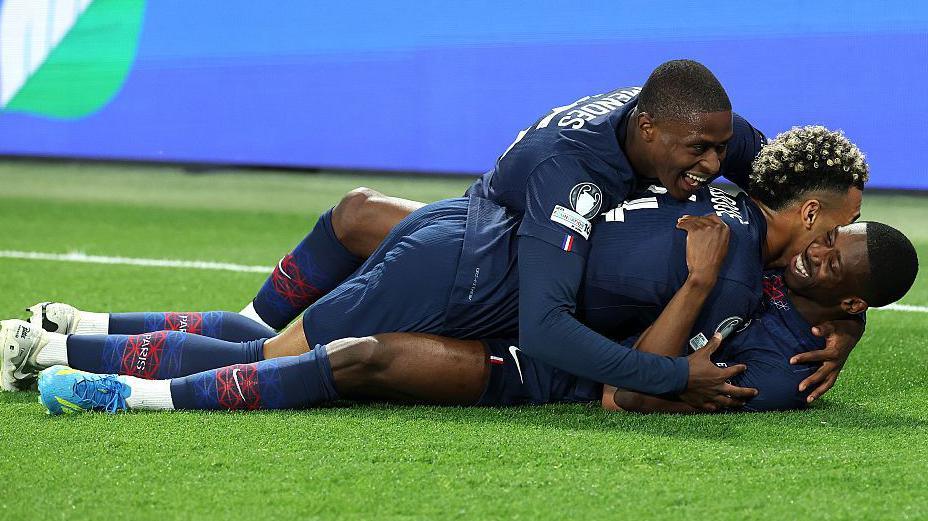
On April 28, 2026, Paris Saint-Germain and Bayern Munich delivered one of the most thrilling matches in Champions League history. The defending champions edged the German giants 5-4 in the first leg of their semi-final at the Parc des Princes. This nine-goal encounter became the highest-scoring single semi-final match in the competition’s history, surpassing previous benchmarks and reminding fans why football is often called the beautiful game.
In an era increasingly dominated by tactical caution, set-piece routines, and defensive discipline, this breathless clash stood out. Both teams prioritized attacking flair and open football, producing an end-to-end spectacle filled with skill, drama, and relentless ambition.
A Historic Goal Fest in the Champions League Semi-Finals
The match quickly lived up to its billing as a showdown between two of the most potent attacking sides in Europe. PSG and Bayern Munich had scored more than 40 goals each in the Champions League this season — the first time two teams have achieved this feat in a single campaign.
Bayern took the lead twice in a chaotic first half. Harry Kane opened the scoring from the penalty spot in the 16th minute. PSG responded through Khvicha Kvaratskhelia’s clinical finish and a glancing header from João Neves. Michael Olise then produced a moment of individual brilliance to level the score again.
A controversial penalty, awarded after Alphonso Davies was judged to have handled an Ousmane Dembélé cross, allowed Dembélé to convert and give PSG a 3-2 lead at half-time. Many observers debated the decision, yet it was soon overshadowed by the sheer quality and entertainment on display.
After the break, PSG appeared to take control. Kvaratskhelia and Dembélé struck again in quick succession, extending the lead to 5-2. However, Bayern demonstrated remarkable resilience. Dayot Upamecano and Luis Díaz pulled two goals back, ensuring the tie remains wide open heading into the second leg in Munich.
This result marked the first time in a major European semi-final that both teams scored at least four goals. It also highlighted the attacking depth on both sides, with stars such as Kvaratskhelia, Dembélé, Olise, Díaz, and Kane showcasing world-class talent.
Why This Match Felt Like an Antidote to Modern Football
In recent seasons, many high-profile matches have been characterized by low-scoring affairs, deep defensive blocks, and an over-reliance on set-pieces. This PSG vs Bayern Munich semi-final offered a refreshing contrast.
Both teams committed fully to offensive football from the first whistle. Giant tifos from the fans — PSG’s proclaiming “the conquest of Europe” and Bayern’s urging the team to “give everything” — set a tone of passion and intensity that carried onto the pitch.
The game featured remarkable rhythm, constant transitions, and moments of magic. PSG manager Luis Enrique described it as the best match he has ever managed. “It had amazing rhythm, trying to play offensive football, trying to show their quality,” he said. “I think everybody had fun watching the match.”
Former England captain Alan Shearer echoed this sentiment, calling it one of the greatest games he had witnessed and praising both teams for believing in their ability to outscore the opponent. Even Bayern boss Vincent Kompany acknowledged the fine margins and the courage shown by his players in pushing forward despite the risks.
While some critics, including Wayne Rooney, pointed to defensive lapses, the overall consensus celebrated the encounter as a celebration of attacking football rather than a failure of defense. Kompany noted that five goals away from home in a semi-final usually signals defeat, yet the chances created kept Bayern believing until the final whistle.
Standout Performers and Tactical Insights
Khvicha Kvaratskhelia and Ousmane Dembélé starred for PSG, each scoring twice and causing constant problems with their pace, dribbling, and composure. Vitinha provided midfield control, while the front line combined speed and clinical finishing.
For Bayern, Harry Kane remained a focal point with his movement and finishing. Michael Olise delivered another impressive display of flair and creativity, and Luis Díaz added explosive energy. The Bavarians’ ability to fight back from 5-2 down demonstrated their character and quality.
At times, both defenses were stretched, yet this openness stemmed from a mutual willingness to attack rather than mere errors. The match showcased how elite teams, when freed from overly conservative tactics, can produce football that captivates global audiences.
Implications for the Second Leg and Beyond
PSG hold a narrow one-goal advantage, but the second leg in Munich promises further drama. Bayern will have home support and the opportunity to exploit any complacency. PSG, meanwhile, must balance their attacking instincts with greater defensive solidity to protect their lead.
This epic first leg also sends a message to the other semi-final participants, Arsenal and Atletico Madrid. Those two sides typically favor defensive resilience and structured play. They may have watched this match with caution, recognizing that a goal-heavy shootout might not suit their strengths. Clean sheets and set-piece efficiency could prove more decisive in their tie.
Nevertheless, the PSG-Bayern thriller serves as a powerful reminder of football’s enduring appeal. In a sport sometimes criticized for becoming overly pragmatic, nights like this reaffirm the joy of watching two teams express their quality without fear.
A Timeless Reminder of Football’s Magic
The 5-4 scoreline will live long in the memory of fans and pundits alike. It was not defined by tactical masterclasses or cautious game management, but by courage, creativity, and a shared commitment to attack.
As the Champions League semi-finals continue, this encounter has raised the bar for excitement. Whether the second leg delivers similar fireworks or reverts to more measured football, the first leg has already provided an unforgettable chapter in the competition’s rich history.
For supporters craving entertaining, high-quality football, this record-breaking semi-final offered the perfect antidote to modern trends. It proved that when elite teams embrace their attacking potential, the beautiful game shines at its brightest.
The return leg in Munich will determine which team advances to the final in Budapest, but the first encounter has already secured its place among the greatest Champions League matches of all time.
Follow for real-time match analysis!
Discover more from DeeplyticAI
Subscribe to get the latest posts sent to your email.