
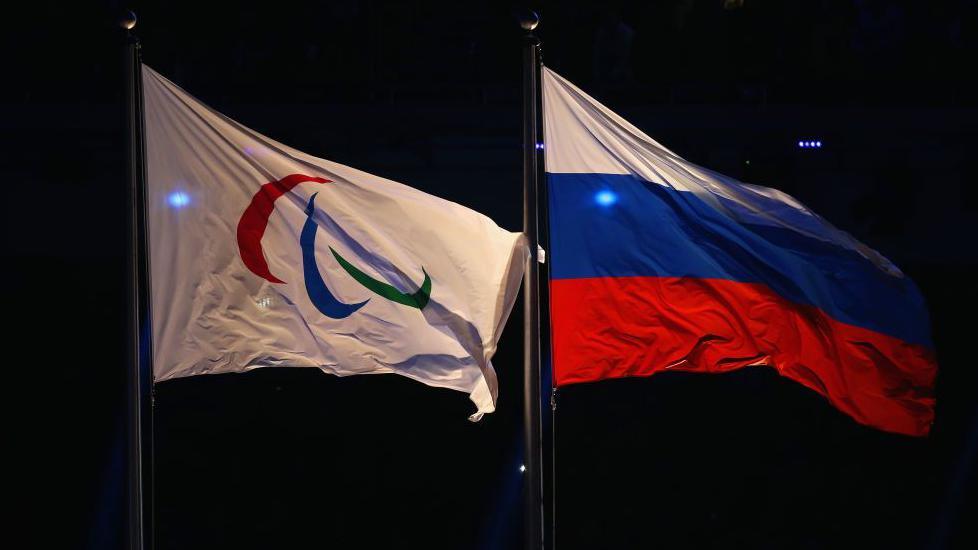
The International Paralympic Committee (IPC) has confirmed that six Russian and four Belarusian athletes will represent their nations at the Milano Cortina 2026 Winter Paralympics, marking a significant shift in eligibility following years of suspension. The decision, announced ahead of the Games from March 6 to 15, allows these athletes to compete under their own flags in Para-alpine skiing, Para-cross country skiing, and Para-snowboarding. This development comes after the IPC lifted its blanket ban in September 2025, ending restrictions imposed since Russia’s 2022 invasion of Ukraine, with Belarus as a close ally.
Background on the Ban and Reinstatement Process
Russia and Belarus were initially suspended from Paralympic competition following the invasion. A partial ban in 2023 permitted neutral participation, but individual governing bodies for the six sports contested at the Winter Paralympics maintained their exclusions. The turning point arrived in December 2025 when Russia and Belarus successfully appealed against the International Ski Federation (FIS) at the Court of Arbitration for Sport (CAS), securing the right to compete and accumulate ranking points.
Bipartite commission invitations—granted to individual athletes rather than federations—were awarded to top performers who faced qualification barriers due to “extraordinary circumstances.” These slots recognise athletes who may not have competed in enough qualifying events. Ukraine also received bipartite slots in three sports, ensuring balanced representation amid ongoing geopolitical sensitivities.
The Athletes and Their Sports
The IPC detailed the allocations precisely. Russia receives six slots: two in Para-alpine skiing (one male, one female), two in Para-cross country skiing (one male, one female), and two in Para-snowboarding (both male). Belarus is awarded four slots, all in Para-cross country skiing (one male, three female).
Notable Russian competitors include Aleksey Bugaev, a three-time Paralympic champion in alpine skiing, and cross-country skiers Ivan Golubkov and Anastasiia Bagiian—both World Championship medallists. All three returned to competition in January 2026, with Bugaev and Bagiian securing World Cup titles since then.
These athletes will compete under their national flags for the first time since Sochi 2014. That edition was overshadowed by Russia’s state-sponsored doping scandal, leading to subsequent bans. The 2026 Games represent a return to full national representation after years of neutral status or exclusion.
Historical Significance and Broader Context
This marks the first time Russian flags will fly at a Paralympic Games since Sochi 2014, a period defined by doping controversies and geopolitical fallout. Belarus, aligned closely with Russia, faced similar restrictions. The decision reflects the IPC’s commitment to inclusion while navigating complex international relations.
The Milano Cortina 2026 Winter Paralympics, hosted across Milan and Cortina d’Ampezzo, will feature athletes from 93 nations. The event builds on the success of the Olympic Games earlier in February, maintaining Italy’s role as a premier winter sports destination.
Ukraine’s participation with bipartite slots underscores the IPC’s balanced approach, ensuring athletes from affected regions are not collectively penalised.
Reactions and Implications
The announcement has sparked debate within the Paralympic community. Supporters highlight the importance of separating athletes from geopolitical issues, while critics express concern over potential tensions. The IPC emphasised that all decisions prioritised fairness and integrity.
For Russia and Belarus, this reinstatement offers a platform to showcase talent after years of restriction. For the broader Paralympic movement, it reinforces principles of inclusion while acknowledging the challenges of global conflicts.
As preparations intensify, the focus shifts to competition. The Games promise inspiring stories of resilience, with these athletes adding layers of complexity and human interest to the narrative.
Looking Ahead to Milano Cortina 2026
The Winter Paralympics will showcase the world’s best in six sports: Para-alpine skiing, Para-biathlon, Para-cross country skiing, Para-ice hockey, Para-snowboarding, and wheelchair curling. With Russia and Belarus returning under their flags, the event gains additional geopolitical dimension.
Athletes from both nations will compete alongside global peers, embodying the Paralympic spirit of unity through sport. Their participation—earned through rigorous qualification and appeals—adds depth to a celebration of human achievement.
The 2026 Games continue a tradition of overcoming barriers, from Sochi’s controversies to today’s reinstatements. For fans, this chapter highlights sport’s power to transcend politics while acknowledging its complexities.
As the torch prepares to light up Milan and Cortina, all eyes turn to the athletes. Russia and Belarus’s return under their flags promises compelling competition, reminding the world that the Paralympic stage remains one of resilience, excellence, and hope.

