Simpler, Cheaper Hybrid V8s Proposed for Next F1 Rules
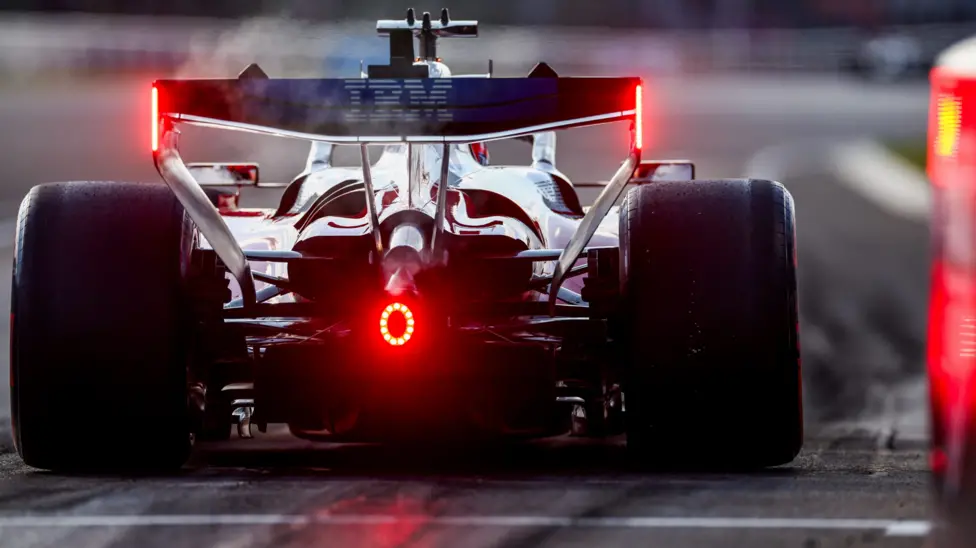
F1 is preparing a major shift in its power unit regulations. The FIA has circulated a formal proposal to the six engine manufacturers that outlines simpler, cheaper hybrid V8 engines for introduction in either 2030 or 2031. The plan aims to cut complexity and cost while restoring a more visceral engine note and improving the overall driving experience.
Current 1.6-litre V6 turbo-hybrids have delivered high efficiency and road-car relevance, yet they have also drawn criticism for expense, weight and relatively muted sound. The new framework seeks to address those concerns directly.
What the Proposal Contains
According to details shared with multiple sources inside the sport, the FIA document calls for a V8 engine with a capacity of between 2.0 and 2.3 litres. The unit would feature a smaller turbocharger running at reduced boost pressure. The hybrid system would also be scaled back significantly.
Electrical recovery capacity is proposed at 200 kW, down from the current 350 kW. Of that total, 100 kW (approximately 134 bhp) would remain available at all times. A further 100 kW could be deployed as a push-to-pass or overtake mode. The internal combustion engine would supply the majority of the overall output, targeting a combined figure in the region of 900 bhp.
One pathway outlined in the document focuses on minimising adaptation costs. Manufacturers could, for example, create a 2.1-litre V8 by adding two cylinders to existing 1.6-litre blocks and then downsizing the turbo and hybrid motor. This approach would allow teams to retain useful knowledge from the current generation while still meeting the new targets for simplicity and weight reduction.
Why Change Is Needed
Today’s power units operate with a roughly 53-47 split between the internal combustion engine and electrical components. That ratio is already scheduled to move toward 60-40 in two stages by 2028. Even so, the current architecture remains expensive to develop and maintain. Only a limited number of manufacturers can sustain the required research budgets, and the resulting cars are heavier than many would prefer.
FIA president Mohammed Ben Sulayem has repeatedly argued for engines that are lighter, cheaper and more engaging to listen to. The proposal responds to those priorities. A smaller hybrid package and simplified turbo system should reduce both production costs and the weight of the complete power unit. Lighter cars would in turn open opportunities for improved handling and safety.
The return of a V8 configuration also promises a stronger acoustic signature. While fully naturally aspirated engines have been ruled out because of noise restrictions at many modern street circuits, a turbocharged V8 is expected to deliver a more distinctive note than the current V6s without exceeding circuit limits.
Timeline and Decision Process
The regulations could come into force in 2030 if the manufacturers reach agreement. Without that consensus the FIA retains the authority to introduce the new formula in 2031 at the end of the current cycle. Discussions are already under way on a one-to-one basis and will now move into collective talks.
Manufacturers including Ferrari, Mercedes, Red Bull Powertrains, Honda, Audi and the incoming Cadillac programme have received the document. Their responses will shape the final specification. Cost reduction remains a central shared interest, with some estimates suggesting the new rules could roughly halve the annual power-unit budget compared with today’s figures.
Balancing Tradition and Technology
The proposal deliberately retains a hybrid element and turbocharging. Both technologies keep Formula 1 aligned with broader automotive trends and sustainable-fuel development. At the same time, the reduced electrical contribution shifts performance emphasis back toward the combustion engine. Drivers should therefore experience a more consistent power delivery and less intensive energy-management demands during a race.
Weight savings of around 50 kg or more on the power unit itself form another key target. Combined with chassis improvements, these reductions could produce noticeably more agile cars. Fans and competitors alike have expressed a desire for machines that feel more responsive and less constrained by hybrid deployment strategies.
Looking Ahead
The current generation of engines still has several seasons to run, and intermediate adjustments to the power split will continue through 2028. Yet the direction of travel is now clearer. Formula 1 intends to move toward simpler, cheaper hybrid V8 power units that prioritise cost control, acoustic character and pure driving engagement.
Final technical details will emerge only after further consultation. Nevertheless, the framework already marks a decisive step. By pairing a more traditional engine architecture with carefully limited electrification, the sport aims to preserve technological relevance while restoring some of the sensory appeal that defined earlier eras. The coming months of discussion will determine exactly how that balance is struck and when the new engines first appear on the grid.
Follow for real-time match analysis!🚀
Discover more from DeeplyticAI
Subscribe to get the latest posts sent to your email.