
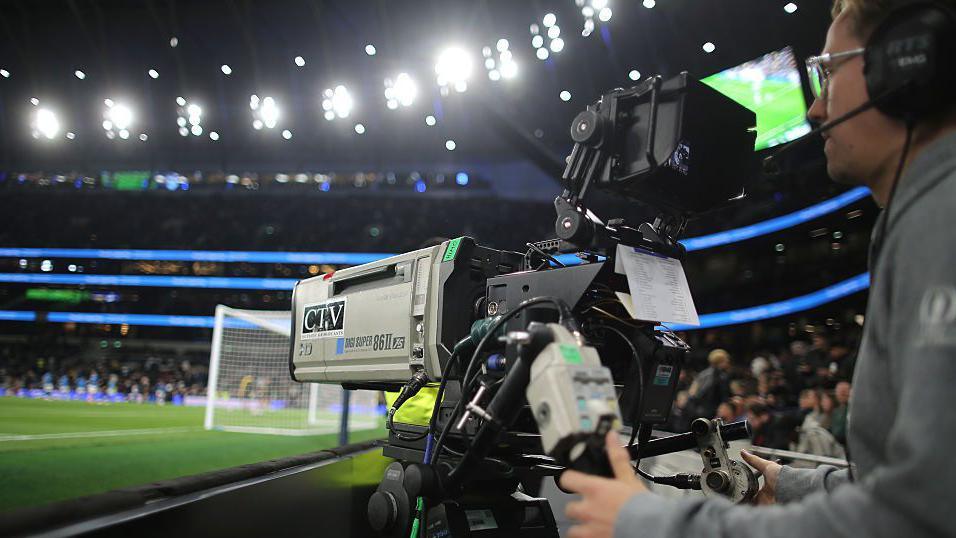
Premier League TV Scheduling Controversy – Why Fans Are Fed Up with Sky Sports Picks
In the 2025-26 Premier League season, fixture changes for live television coverage have sparked significant discontent among supporters. Sky Sports, holding the majority of broadcast packages, frequently moves matches to Friday or Monday evenings. This practice disrupts traditional Saturday 3pm kick-offs and places extra strain on travelling fans, leading many to question the fairness of the system.
With a record number of games available for live broadcast – approximately 270 out of 380 matches – more fixtures than ever are subject to rescheduling. While this benefits viewers at home, it creates real challenges for those attending in person. Everton’s recent experience highlights the issue, as their game against Manchester City in May was shifted to a Monday night, becoming the seventh such change for the club this season.
The Official Limit on TV Selections and How It Is Often Exceeded
Premier League rules state that Sky Sports should select each team a maximum of five times for Friday or Monday slots across the season’s 32 match rounds. However, this guideline functions more as a loose target than a strict enforcement. Several clubs have already exceeded the limit, with Manchester United facing eight such moves, five of them at Old Trafford. West Ham United has seen seven, while Leeds United has experienced six.
Everton stands out with seven Monday 20:00 fixtures and only three traditional Saturday 3pm home games so far at their Hill Dickinson Stadium. The Everton Fan Advisory Board described the latest change as “another signal of the disregard footballing authorities and broadcasters have for supporters.” They emphasised that repeated shifts place “unacceptable strain on supporters,” forcing fans to absorb additional travel costs, rearrange work schedules, and manage family commitments at short notice.
Manchester United has also voiced concerns, reportedly complaining to the Premier League and Sky Sports about the impact on their schedule. Yet the club acknowledged a key reality: their fixtures remain available for selection on days when European-engaged teams cannot play.
Why Certain Clubs Face More Friday and Monday Picks
European commitments provide protection for many teams. Clubs involved in the Champions League, Europa League, or Conference League often cannot be scheduled for Friday or Monday Premier League games due to midweek fixtures. This season, nine English teams are competing in Europe, shrinking the pool of available clubs for midweek-adjacent slots.
As a result, broadcasters naturally gravitate toward high-profile sides with large followings when making selections. Big clubs without European games on certain weekends become more attractive options. For example, on weekends when several teams face European opponents, Sky has limited choices and must turn to others. Yet on other occasions, preference for popular teams like Manchester United clearly influences decisions.
Smaller or less glamorous clubs experience the opposite effect. Burnley has been selected for Friday or Monday slots only twice and enjoys the most Saturday 3pm home games. Brighton has faced just one such move, preserving eight traditional home fixtures. In contrast, teams like Aston Villa and Nottingham Forest have had very few Saturday 3pm home matches, largely because of their Thursday Europa League commitments.
This dynamic illustrates a broader pattern: while the system aims for balance, commercial appeal and fixture availability often determine outcomes. Sky Sports seeks the biggest audiences, and when European teams are unavailable, the remaining high-following clubs fill the gaps.
How Sky Sports Navigates and Effectively Bypasses the Limit
Sky Sports’ dominant position – securing four of the five domestic TV packages – gives it significant flexibility. Selections can be made across different packages, with kick-off times and days swapped between them. For instance, a game initially assigned to a Saturday slot in one package might be moved to Monday in another, potentially not counting toward a specific team’s Friday/Monday allocation.
This swapping mechanism allows the broadcaster to optimise coverage while technically operating within the framework. Although every team should receive at least one Friday or Monday pick, Arsenal and Tottenham have avoided them entirely so far. Meanwhile, clubs like Everton may have some of their seven moves allocated differently across packages.
Sky and the Premier League have declined to detail week-by-week breakdowns. However, the practical result is clear: the five-game maximum functions as a flexible guideline rather than a rigid cap. Supporters simply observe their club appearing six, seven, or eight times in inconvenient slots.
The Impact on Supporters and Matchday Experience
Fans across multiple clubs express growing frustration with the scheduling process. Repeated changes damage accessibility, increase costs, and erode long-term engagement. Travelling supporters, in particular, face logistical nightmares when fixtures move with relatively short notice.
Manchester United indicated it would advocate for fans following a recent forum, yet the underlying issue persists. With at least eight Premier League clubs expected to qualify for Europe next season, the reduced pool of available teams will likely intensify pressure on non-European sides. Tottenham, should they remain in the Premier League, could rise to the top of the selection list due to their large and attractive fan base.
The Premier League’s new broadcast deal has expanded live coverage dramatically, with Sky Sports showing a minimum of 215 games this season. While this enhances the viewing experience for millions at home, it comes at a noticeable cost for stadium attendees.
Winners, Losers, and the Future of Premier League TV Scheduling
European participants benefit from shielding, enjoying more protected Saturday 3pm slots. Meanwhile, clubs without midweek distractions – or those with strong TV appeal – bear the brunt of additional Friday and Monday games. This creates an uneven distribution that prioritises broadcast revenue and audience size over consistent supporter routines.
As the season progresses toward its conclusion, more changes are expected. The situation is unlikely to improve significantly next year, especially if a high number of teams secure European football. For online readers interested in Premier League news, fixture scheduling debates, and fan perspectives, this ongoing controversy reveals tensions between commercial interests and the matchday experience.
Ultimately, while live television brings excitement and wider access to the world’s most-watched league, the current system highlights a clear need for greater consideration of supporters. Balancing the demands of broadcasters, clubs, and fans remains a complex challenge that continues to test loyalty across the Premier League.

