
A wave of frustration has swept through women’s sport after a high-profile advertisement starring actress Sydney Sweeney drew sharp criticism from elite athletes. The campaign for sports prediction platform Novig shows Sweeney largely unclothed, using pieces of sporting equipment to cover her body while striking poses associated with various sports. In response, athletes across disciplines have posted training and competition footage under a clear and powerful message: this is what women in sport look like.
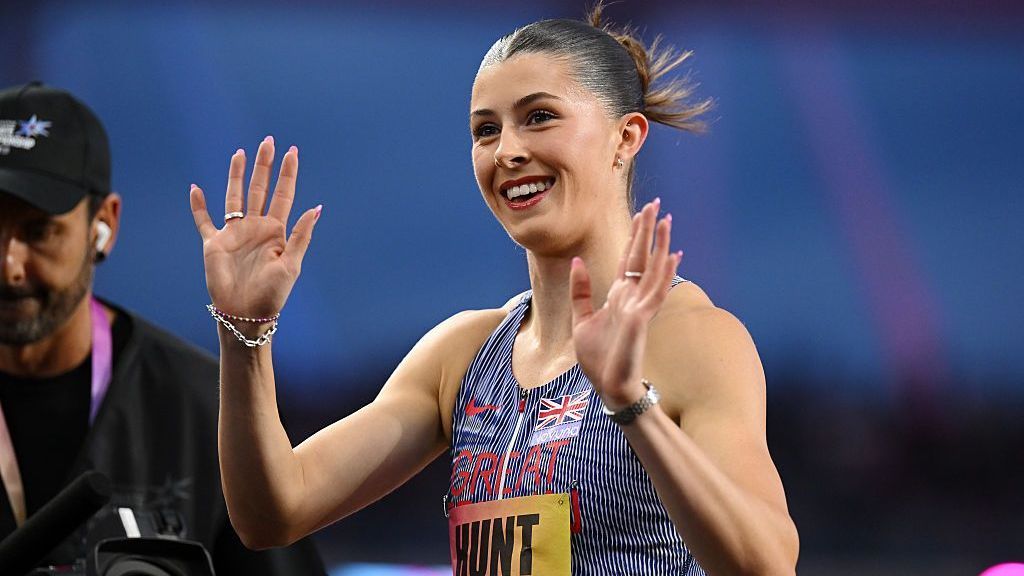
British sprinter Amy Hunt delivered one of the most direct rebuttals. After finishing fourth in the 200 metres at the Ultimate Championship in Budapest with a season’s best time of 22.10 seconds, she looked into the camera during her BBC Sport interview and stated: “Sydney Sweeney, this is what women in sport look like. Muscles, hard work, blood, sweat, tears.” Hunt, a four-time European champion earlier in the summer, captured the mood of many who feel their achievements are still overshadowed by appearance-focused marketing.
How the Backlash Began and Spread
The response began with American gymnast Gracie Kramer. She shared a montage of her own rigorous training sessions with the caption noting that whatever Sweeney was doing in the advert, it did not represent the reality of women competing in sport. The post quickly gained traction and inspired athletes from swimming, athletics, cycling, rugby, boxing and water polo to add their own clips and comments.
Australian swimming great Ariarne Titmus, a four-time Olympic champion, expressed particular anger. She described the advertisement as a kick in the face to every woman who has dedicated her life to perfecting her craft. Titmus questioned how society continues to monetise women’s bodies and sexualise women’s sport when the true values of the field are teamwork, friendship, dedication, excellence and unity. Her comments resonated widely because they came from an athlete whose career has been defined by relentless hard work rather than image.
Other prominent voices joined in. World champion boxer Skye Nicolson drew a clear distinction between looking strong or athletic as a natural result of training and deliberately using sex to sell sport. Australian water polo Olympian Tilly Kearns, Olympic cyclist Sophie Capewell and several rugby players similarly shared footage of matches and sessions, emphasising the physical and mental demands of elite performance. The collective posts highlighted sweat, muscle definition, exhaustion and determination rather than glamour.
The Core Objection: Appearance Over Achievement
At the heart of the criticism lies a long-standing concern. Female athletes argue that campaigns which reduce women in sport to visual objects reinforce the idea that their value rests primarily on looks. Consequently, years of progress in recognition, sponsorship and media coverage risk being undermined when advertising prioritises sexualisation. Many noted that they already face constant scrutiny of their bodies online and in public, ranging from comments about musculature to judgments about makeup or hairstyle. An advertisement that appears to lean into the male gaze, they say, makes that burden heavier.
Transitioning from individual frustration to broader principle, the athletes stress that sport itself is about capability. Strength, skill, resilience and performance define success. When marketing focuses instead on partial nudity and suggestive poses, it distracts from those qualities and teaches younger generations the wrong lesson about what matters.
Context and Wider Implications for Women’s Sport
This is not an isolated incident. Female athletes have repeatedly spoken about the pressure to conform to conventional beauty standards even while their bodies are shaped by the specific demands of their discipline. Gymnasts, swimmers, track athletes and contact-sport players often develop powerful physiques that do not match traditional notions of femininity. Yet those same physiques enable the records, medals and personal bests that define their careers.
The Novig campaign arrived at a moment when women’s sport continues to grow in visibility and commercial value. Major championships, professional leagues and Olympic cycles have expanded audiences and investment. Athletes therefore see the advertisement as a step backward rather than progress. They argue that authentic representation—showing the work, the setbacks, the discipline and the triumphs—builds respect far more effectively than stylised images designed primarily to attract attention.
Sweeney, who holds a strategic partnership and equity stake with the company, later shared images of past nude or semi-nude athlete features, including high-profile examples from established sports magazines. Some interpreted the move as an attempt to highlight perceived double standards. However, many of the responding athletes maintained that the difference lies in context and intent: athletes posing for artistic or body-positive projects that celebrate athletic form is not the same as an actress who does not compete using near-nudity to sell a product under a sports banner.
Voices Calling for Better Standards
Across the responses, a consistent theme emerges. Athletes want marketing that treats women’s sport with the same seriousness afforded to men’s sport. They want campaigns that showcase technique, tactics, endurance and team dynamics. They want young girls who watch sport to see role models defined by what they can do, not solely by how they appear. Several posts explicitly linked the advertisement to wider cultural messages that still link a woman’s worth in public life to her physical attractiveness.
British and Australian athletes in particular framed their comments around the idea of legacy. After decades of fighting for equal pay, equal media coverage and equal respect, they view any return to overt sexualisation as disrespectful to those who paved the way. The phrase “this is what women in sport look like” has therefore become both a rebuttal and a celebration of authentic athletic identity.
Looking Ahead: Can the Conversation Drive Change?
The speed and breadth of the athlete-led response demonstrate how quickly social media can amplify collective voices. What began as individual posts has grown into a visible statement about standards in sports marketing. Brands and agencies now face clearer expectations: campaigns that rely on objectification risk alienating the very athletes and fans they hope to attract.
At the same time, the discussion opens space for more thoughtful storytelling. Documentaries, training diaries and athlete-led content that reveal the daily reality of elite sport already exist and find receptive audiences. Expanding that approach in commercial advertising could strengthen rather than undermine the growing commercial appeal of women’s competitions.
Amy Hunt’s post-race words, Gracie Kramer’s training montage and Ariarne Titmus’s pointed critique have crystallised a simple but powerful idea. Women in sport look like athletes who train, compete, recover, fail, improve and succeed. Their bodies carry the evidence of that process. By insisting on that truth in the face of a provocative advertisement, these female athletes have reclaimed the narrative and reminded audiences what the phrase “women in sport” truly means.
