Thomas Tuchel’s Tactics Under Fire: Did a Defensive Shift Cost England the 2026 World Cup Final?
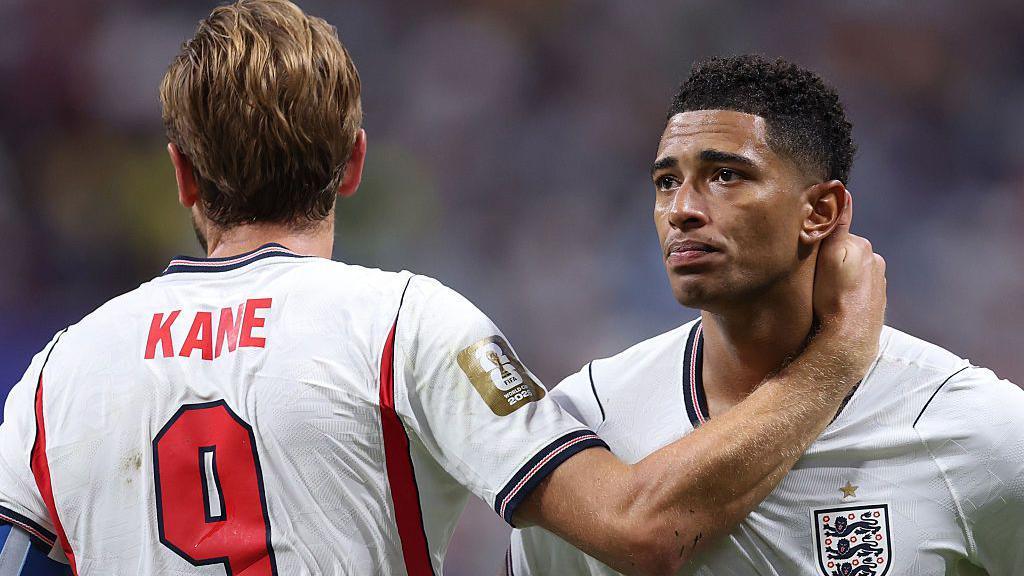
England were on the absolute cusp of reaching their first men’s World Cup final since 1966. Leading 1-0 against the reigning world champions, Argentina, with the clock inside Atlanta Stadium ticking past the 84th minute, the dream was vividly alive. However, a dramatic and devastating late collapse saw the Three Lions eliminated 2-1, sparking intense scrutiny over head coach Thomas Tuchel’s tactical decisions during the crucial final stages of the match.
The Heartbreak in Atlanta: A Familiar Narrative
The semi-final clash began as a tightly contested affair, but England seized control in the 55th minute when Anthony Gordon expertly finished from a Morgan Rogers cross. The stadium erupted, and for a brief moment, it seemed England had finally overcome their historical hurdles against South American opposition.
Instead of capitalizing on this momentum, England retreated into a defensive shell. This passive approach allowed Argentina to dominate possession and dictate the tempo. The consequences were severe: Enzo Fernandez equalized with a thumping strike in the 85th minute, before Lautaro Martinez headed in a heartbreaking 92nd-minute winner. Notably, both decisive goals were assisted by the legendary Lionel Messi, who exploited the spaces left by England’s retreating defensive line.
Tactical Analysis: The Shift to a Back Five
The primary point of contention lies in Thomas Tuchel’s in-game management after taking the lead. Rather than reinforcing the attack to secure a crucial second goal, the German manager opted for a conservative, defensive shift.
From the moment England scored until they conceded the equalizer, they registered a mere 12% of possession. Tuchel’s substitution pattern reflected this cautious mindset. He introduced defender Ezri Konsa in the 72nd minute, effectively switching to a back five. This was followed by further defensive reinforcements, with Dan Burn and Nico O’Reilly brought on ten minutes later. Attacking options Marcus Rashford and Ivan Toney were not deployed until deep into stoppage time, a move that proved to be far too little, far too late.
Pundit Backlash: “We Crumbled”
The tactical retreat drew swift and severe criticism from football pundits and former England stars. Former captain Wayne Rooney was unequivocal in his assessment, stating, “We have crumbled. It started from the manager and the decisions he made. It was too passive. Against this team, the world champions, you will not get away with it.”
Similarly, Premier League winner Chris Sutton labeled the strategic pivot a “coaching catastrophe.” He argued that expecting to defend for 30 minutes against the elite quality of Argentina was a fundamental misjudgment, raising questions about whether Tuchel is the right man to lead this talented squad forward. Alan Shearer echoed these sentiments, noting that while sitting back might yield results against teams like Norway or Mexico, Argentina possesses the technical ability to ruthlessly punish such negativity. Former goalkeeper Joe Hart added that while previous opponents panicked against England, Argentina simply freed up Messi to run the show.
Player Perspectives: Recognizing the Misstep
The frustration was not limited to the pundits; the players themselves recognized the tactical misstep. England captain Harry Kane admitted that attempting to merely “hold on” at this elite level is insufficient.
“We pressed them well and controlled the game a bit better,” Kane reflected. “But after the goal, whether it was them putting more men forward or us not being able to match them, it was just wave after wave. We tried to hold on, which at this level is not enough.”
Conversely, Argentina goalkeeper Emiliano Martinez observed the shift firsthand. He noted that England changed their game plan, inviting unnecessary pressure by adding extra defenders instead of maintaining their proactive approach.
Tuchel’s Defense and the Road Ahead
Despite the overwhelming criticism, Thomas Tuchel maintains he has “no regrets” regarding his substitutions. He argued that his changes were a necessary reaction to the team becoming “too passive” immediately after scoring, which resulted in conceding too many crosses and chances.
“The responsibility is on the coach. When it doesn’t go well, it’s easy to say it was wrong,” Tuchel stated, emphasizing that it is not the appropriate moment to dissect the entire tournament.
Ultimately, while Tuchel has improved upon England’s 2022 World Cup quarter-final exit, this semi-final defeat highlights a recurring vulnerability in high-stakes moments. As the Three Lions prepare for the third-place play-off against France, the lingering question remains: can this exceptionally talented squad, featuring world-class players like Kane and Jude Bellingham, overcome their psychological and tactical hurdles to finally deliver a major trophy? For now, the tactical choices made in Atlanta will be debated for days to come.
Follow for real-time match analysis!🚀
Discover more from DeeplyticAI
Subscribe to get the latest posts sent to your email.