UEFA Sets Two-Week Deadline for Infantino and FIFA to Release Key Governance Documents
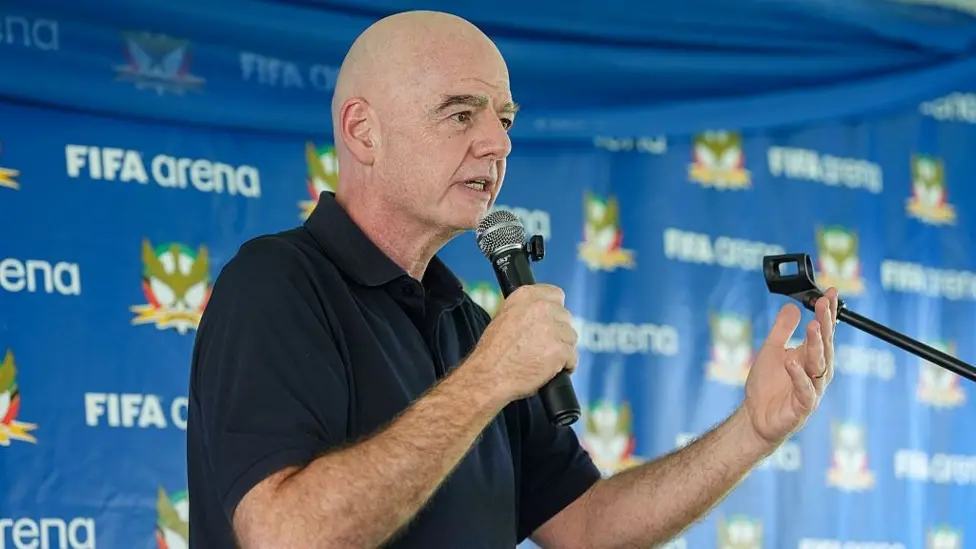
European football’s governing body UEFA has issued a firm two-week deadline to FIFA, demanding the release of key documents and comprehensive answers on a range of governance issues under president Gianni Infantino. The ultimatum, delivered in a formal letter, requires full responses by 2 November 2026. It escalates a deepening power struggle between the two organisations just months before the next FIFA presidential election.
Infantino, who has led FIFA since 2016 and is seeking a third term, faced sharp questioning from European members at the FIFA Council meeting in Zurich last week. Although he apologised for the controversial World Cup investment proposal, he provided no supporting documents or detailed explanations. UEFA has now formalised its demands in writing.
The Letter and Its Demands
UEFA general secretary Theodore Theodoridis wrote to his FIFA counterpart Mattias Grafstrom on behalf of European FIFA Council members. In the letter, seen by major news outlets, Theodoridis stated that FIFA had failed to address “a number of fundamental questions.” He added that “others remain unanswered, and the information and documentation requested have not been provided.”
The accompanying document runs to eight pages and contains 42 specific questions. UEFA insists these cannot wait until the next FIFA Council meeting, scheduled for 16 December in Doha. That gathering falls after the 18 November deadline for presidential nominations. “These questions require answers now,” the letter emphasised. “They cannot be deferred until the next meeting of the FIFA Council — nor can future governance reforms substitute for scrutiny of decisions already taken and accountability for them.”
Any refusal to disclose information, UEFA added, must be justified individually with clear grounds.
Core Issues Under Scrutiny
Central to the demands is the FIFA Forward Enterprise (FFE) plan. In July, Infantino proposed selling a 20 percent stake in a new company that would control commercial rights to the World Cup and other competitions. The deal was valued at approximately $4.2 billion. The proposal triggered fierce opposition, particularly from Europe, and was quickly abandoned. Infantino has offered little detail on how the idea was developed, its valuation, or the rationale for seeking private investment.
UEFA also seeks clarity on several other matters. These include the origins and criteria of the FIFA Peace Prize, the handling of a controversial suspended one-match ban for United States striker Folarin Balogun during the World Cup, and the operational independence of FIFA’s judicial, electoral and ethics committees. Additional questions cover Infantino’s personal remuneration package, reported financial payments involving singer Marc Anthony, business and political relationships connected to Donald Trump and his family, the duration of the World Cup final half-time show, and the introduction of hydration breaks at the tournament.
European members, including English Football Association chair Debbie Hewitt, left the Zurich meeting dissatisfied. They were invited to submit questions in writing, a process UEFA has now completed with a strict timeline.
Broader Context of the Dispute
The latest move follows UEFA’s public declaration in August that it had lost confidence in Infantino over the FFE proposal. European football authorities have indicated they intend to identify a credible alternative candidate to challenge him in the presidential election scheduled for 18 March. The nomination deadline of 18 November makes the 2 November response date strategically significant. Federations would then have time to assess FIFA’s answers—or its failure to answer—before deciding whether to support a challenger.
UEFA has also pursued legal avenues in the United States, seeking court authorisation for subpoenas related to the abandoned investment plan. FIFA lawyers have previously characterised such efforts as harassment of Infantino.
What Happens Next
UEFA has not publicly outlined specific consequences if FIFA misses the deadline or provides incomplete answers. The letter focuses on the need for transparency and accountability rather than threats of formal action. FIFA has been approached for comment but has not yet issued a detailed public response.
The episode highlights ongoing tensions over how world football is governed. Supporters of greater scrutiny argue that major commercial decisions and disciplinary processes require clearer documentation and independent oversight. Infantino’s camp has previously defended the organisation’s record on growth, competition expansion and global development.
As the clock ticks toward 2 November, the exchange places significant pressure on FIFA’s leadership. The coming days will reveal whether the requested documents and answers materialise, and how European federations respond if they do not. For online readers following football governance, the outcome could influence the shape of the next FIFA presidential contest and the balance of power between continental confederations and the world body.
The demand for transparency arrives at a pivotal moment. With nominations approaching and confidence already strained, UEFA’s two-week deadline has turned private questions into a public test of accountability.
Follow for real-time match analysis!🚀
Discover more from DeeplyticAI
Subscribe to get the latest posts sent to your email.