
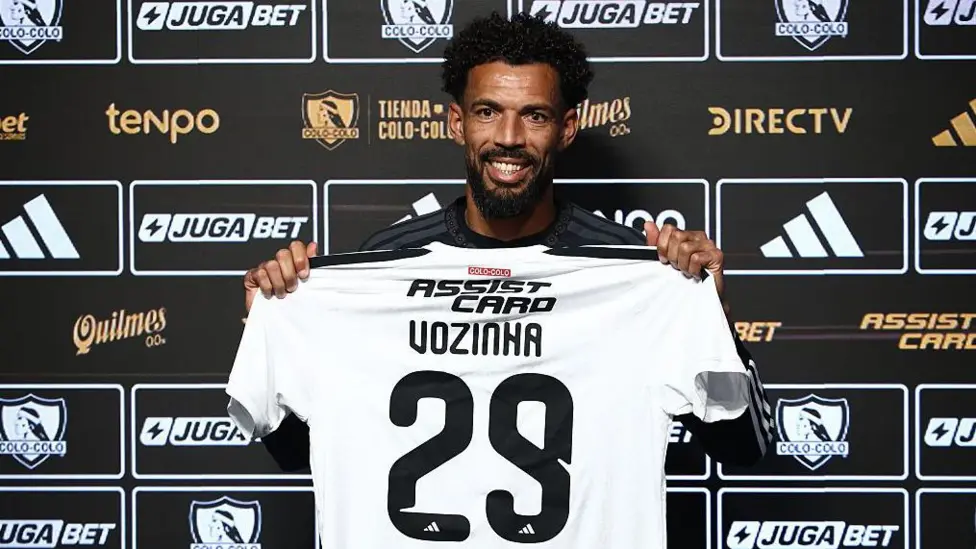
Cape Verde goalkeeper Vozinha has received special permission from the Chilean Football Federation to wear his famous nickname on his Colo Colo jersey. The decision resolves an unusual regulatory hurdle that threatened to force the World Cup standout to appear under his legal name. At 40 years old, the veteran has joined one of Chile’s most successful clubs on a short-term deal following his memorable performances on the global stage.
From World Cup Acclaim to Chilean Football
Josimar José Évora Dias, universally known as Vozinha, signed a six-month contract with Colo Colo earlier this week. He arrived as a free agent after leaving Portuguese second-division side G.D. Chaves in June. The move came after Cape Verde’s impressive run at the 2026 FIFA World Cup, during which Vozinha earned widespread recognition for his goalkeeping displays, including a clean sheet on his tournament debut against eventual champions Spain.
His performances helped elevate Cape Verde’s profile and turned the experienced shot-stopper into a global talking point. Social media following surged dramatically, and clubs across several continents expressed interest. Colo Colo moved quickly to secure his services, viewing the signing as both a sporting and commercial opportunity.
League Rules and the Nickname Restriction
Chilean league regulations normally prohibit the use of nicknames on match shirts. According to the rules of the Asociación Nacional de Fútbol Profesional (ANFP), players must display their paternal or maternal surname on the back of the jersey. Nicknames, appellations or sobriquets are not permitted. Non-compliance can result in an administrative yellow card for the player and fines for the club.
These provisions created an immediate complication for Colo Colo. Vozinha has used his nickname throughout his career and during the World Cup. The name, which translates roughly to “granny” or “little grandmother” in Portuguese, carries personal significance. It originated in his childhood when older children nicknamed him after he would cry and run home to his grandparents following losses in street football.
Without an exemption, he would have been required to play under “Dias” or a similar legal variation. That prospect risked diminishing both personal identity and commercial appeal linked to the name that became famous worldwide.
Successful Appeal and Unanimous Approval
Colo Colo president Aníbal Mosa led efforts to secure an exception. The club formally requested permission from the ANFP, arguing that Vozinha had already competed under the nickname at football’s highest level. Support came from the player’s representative and several other club presidents.
The Council of Presidents of the ANFP considered the matter and approved the exemption unanimously. This rare dispensation allows Vozinha to continue wearing “Vozinha” on his Colo Colo shirt. The decision removes the threat of sanctions and enables the club to market replica jerseys featuring the name that fans around the world now recognise.
Personal Meaning Behind the Name
Vozinha addressed the issue directly upon arrival. “It is the name I have used my entire life,” he explained at a news conference. “In Cape Verde, it holds great significance and a rich history, and now it does globally as well. If my grandmother were alive today, I think she would be proud. I hope to keep using it for the rest of my career as a tribute.”
The exemption therefore preserves both a personal tribute and a brand that has grown far beyond Cape Verde’s borders. For a player who spent much of his career in smaller leagues, the World Cup provided late-career validation. Signing for a traditional powerhouse such as Colo Colo represented a clear step up, and maintaining the familiar name formed part of that transition.
Context of the Signing and Future Prospects
Vozinha has described the move as the fulfilment of a long-held ambition. Despite previous spells with modest clubs, he always considered himself capable of performing at a higher level. When Colo Colo approached, the decision proved straightforward. The six-month contract includes an option for a further year, giving both parties flexibility based on performance and fitness.
At an age when many goalkeepers have already retired, Vozinha continues to demonstrate resilience and ambition. His arrival has injected fresh interest into the Chilean Primera División. Supporters of Colo Colo and neutral observers alike will watch closely to see how the veteran adapts to South American football.
Broader Implications for Identity in Football
The case highlights tensions between strict regulatory frameworks and the personal identities that players cultivate over long careers. Nicknames form part of football culture in many regions, particularly in Portuguese-speaking countries. While standardised naming aids official records and broadcasting clarity, rigid enforcement can clash with established public personas.
By granting the exemption, the Chilean FA recognised both the exceptional circumstances of Vozinha’s recent fame and the practical value of allowing continuity. The unanimous vote among club presidents suggests a pragmatic approach that balances rules with common sense.
For online readers interested in World Cup stories, unusual transfer details, or the intersection of regulation and player identity, Vozinha’s situation offers an engaging narrative. It combines late-career opportunity, cultural significance, and a successful challenge to bureaucratic constraints. As he prepares to make his debut for Colo Colo, the goalkeeper will do so under the name that has defined his journey—from childhood street games in Cape Verde to the biggest stage in world football and now the Chilean league.
