
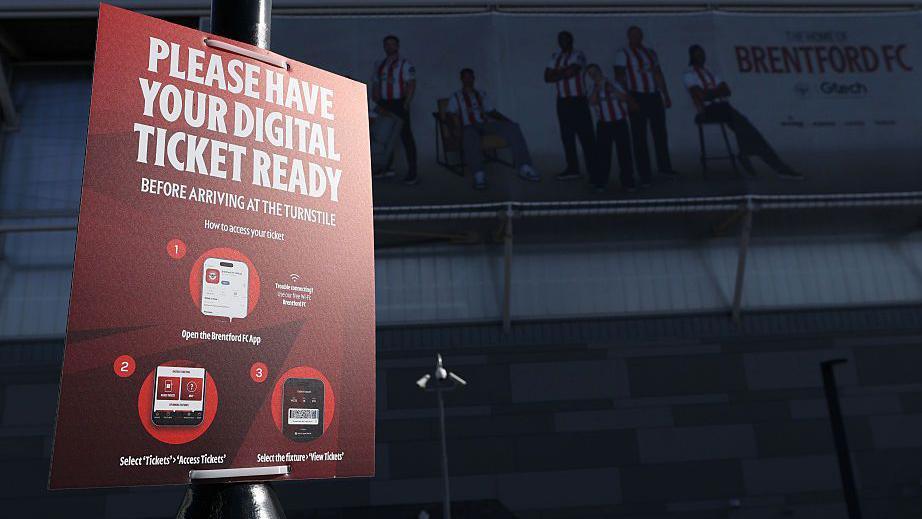
The UK government’s landmark crackdown on ticket touting—announced November 19, 2025—bans resale above face value for music, theatre, and most sports events, potentially saving fans £112 million annually. Yet football remains exempt, leaving Premier League supporters exposed to a thriving black market where tickets routinely sell for 2-4 times face value. This carve-out stems from the 1994 Criminal Justice and Public Order Act, which already prohibits unauthorised football ticket sales—but only within England and Wales. Offshore operators in Spain, Dubai, Germany, and Estonia exploit this gap, operating beyond UK jurisdiction. A September 2025 BBC investigation exposed the scale: tens of thousands of tickets listed across 50+ unauthorised sites, including StubHub and Vivid Seats (Chelsea owner Todd Boehly linked to the latter). Fans paid up to £14,962 for matches, with digital transfers enabling last-minute sales. While the new law targets general events, football’s unique 1994 rules—originally for hooliganism control—create an untouchable secondary market.
Key Reasons Football Is Excluded
- 1994 Act bans unauthorised sales (England/Wales only)—offshore sites untouchable.
- New law: Caps resale at face value + fees; platforms liable; fines up to 10% global turnover.
- Wimbledon exemption: Debentures (5-year premium seats) allowed—structured investment, not touting.
- Enforcement challenge: Foreign registration evades UK law; digital tickets hard to trace.
This exemption frustrates fans amid rising costs, but protects clubs’ official resale control.
The 1994 Act Loophole: How Offshore Touts Thrive
The Criminal Justice and Public Order Act 1994 (Section 166) made unauthorised football ticket sales an offence—focused on safety/segregation post-hooliganism era. Penalty: Fine or imprisonment.
Crucial flaw: Applies only in England/Wales. Overseas operators—50+ on Premier League “unauthorised” list—register abroad, selling digitally via WhatsApp/UK numbers.
BBC probe (September 2025): Bought tickets for four games; one Arsenal vs Forest listing: 18,000+ (third of Emirates capacity). Prices: £55-£14,962 + fees.
Premier League: Cancelled 145,000+ accounts (2023-25); encrypted barcodes incoming.
Yet black market persists—endemic, per experts.
New Law Details: Protection for Most, None for Football
Announced November 19, 2025 (King’s Speech likely 2026):
- Ban resale above face value (platforms add capped fees)
- Platforms liable for violations
- Individual limit: Resell only entitled amount
- Enforcement: CMA; fines 10% global turnover
Exemptions: Charity; structured like Wimbledon debentures (5-year premium seats, resale allowed—funds reinvest).
Wimbledon: £61.7m raised 2026-30 Centre Court debentures; No.1 Court £74m.
Football? 1994 Act deemed sufficient—despite failures.
Government: “Football covered separately—focus general events.”
Manchester United’s Model: Seat Licences Loom
Clubs explore alternatives: United’s proposed £2bn stadium—seat licences (upfront fee for perpetual season ticket right, resale possible).
Similar Wimbledon: Not individual game touting—long-term investment.
New law protects such models—revenue for infrastructure.
Other clubs watch: Tottenham, Everton new builds.
Fan Impact: Savings Elsewhere, Football Stuck
New law: Average resale £37 cheaper; £112m annual fan savings.
Football fans: No relief—black market unchecked.
BBC buys: Easy, expensive, seamless.
Trading Standards: Tickets 6x face value common.
Verdict: Outdated Law Leaves Football Fans Vulnerable
Government’s crackdown—welcome for music/sports—exposes football’s 1994 blind spot. Offshore touts thrive; fans pay premium.
Gattuso-like calls for change echo, but Europe’s depth justifies rigor—football’s exemption logical, yet ineffective.
Until bespoke fix (cross-border enforcement? Digital tracking?), black market reigns.
Fans: Demand action—beautiful game deserves fair access.
