Will the Three-Week International Break Put More Pressure on Under-Fire Managers?
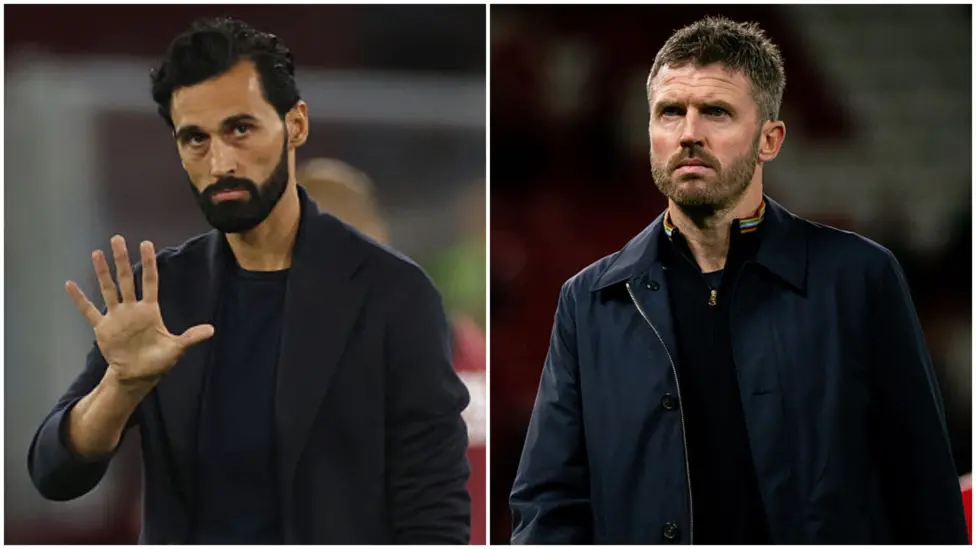
Three weeks can feel like an eternity in football, particularly for managers whose teams have started the season poorly. As the English game enters an extended international break, the question of whether the pause will intensify scrutiny on struggling coaches has become a key talking point. So far this campaign, two managers have already lost their jobs: Paul Heckingbottom at Championship side Preston North End and Michael Duff at League One’s Wycombe Wanderers.
The longer break, introduced under FIFA’s revised international calendar for the 2026-27 season, consolidates the traditional September and October windows into a single extended period. Domestic action in the Premier League pauses after the current round of fixtures and is not scheduled to resume until Saturday, October 10. For coaches under pressure, that extra time away from competitive matches could prove decisive.
Early Casualties Set the Tone
Michael Duff became the first managerial casualty of the season when Wycombe Wanderers parted company with him on 8 September. The Chairboys had taken just three points from their opening five League One matches and sat near the foot of the table. Duff, who had been in charge for almost a year, also oversaw a disappointing end to the previous campaign. The club cited a run of poor results dating back to the spring as the reason for the change, with first-team coach Alex Morris also departing.
Five days later, Preston North End dismissed Paul Heckingbottom. The Lilywhites had suffered six defeats in seven Championship games and were second from bottom. Despite significant summer investment described by the club as the most expensive squad assembly in their history, results failed to improve. Heckingbottom’s exit followed a 1-0 home loss to Lincoln City that was greeted by boos from the Deepdale crowd. Assistant Stuart McCall also left, with Jason Euell placed in interim charge.
These early departures underline how quickly patience can wear thin, even at the start of a long season. Both clubs acted before the international break, yet the extended pause now looms for others whose positions appear less secure.
Why This Break Feels Different
In previous seasons the first international window typically arrived after only a handful of league matches and lasted around two weeks. This year’s three-week interlude comes later and lasts longer, giving boards, owners and supporters more time to dwell on disappointing results. Historical data shows that relatively few managers have been sacked during the early autumn break. Over the past decade, only a small number of high-profile exits occurred in this period. The extended duration may alter that pattern.
For coaches such as Fulham’s Alvaro Arbeloa, who has endured a difficult start with no wins in his first four Premier League matches, the break offers both opportunity and risk. Time on the training ground can help embed ideas and recover injured players. At the same time, the absence of matches allows speculation and external pressure to build. Similar dynamics apply at clubs where early form has fallen short of expectations.
Managers often describe international breaks as a double-edged sword. Those whose teams are performing well can use the period to fine-tune tactics and manage workloads. Those whose sides are struggling face heightened media attention, supporter discontent and internal board discussions. The longer the gap between fixtures, the more those conversations can escalate.
Potential Impact Across the Divisions
In the Premier League the break interrupts early momentum or allows struggling sides a chance to regroup. In the Championship and League One, where margins are tighter and financial pressures often more acute, the consequences can be even sharper. Clubs that have invested heavily in the summer transfer window expect quicker returns. When results do not materialise, the extended pause can accelerate decision-making.
Some managers may welcome the extra training time. Others will view it as an unwelcome interruption that freezes the league table and invites greater scrutiny. Player availability adds another layer of complexity. National team call-ups remove key individuals for extended periods, forcing coaches to work with reduced squads and then reintegrate returning players who may arrive fatigued or carrying minor injuries.
Looking Beyond the Break
When domestic football resumes in mid-October, the focus will shift back to results. Managers who use the three weeks productively may stabilise their positions. Those whose sides return with little visible improvement could find the pressure intensifies further. The early season already claims victims; the coming weeks will reveal whether the longer break accelerates that process or simply delays inevitable decisions.
Football remains a results business. The three-week interlude does not change that fundamental truth. It does, however, create a longer window in which those results—or the lack of them—can be dissected, debated and ultimately acted upon. For the managers still in post, the coming days will test their ability to manage both their squads and the expectations that surround them.
Follow for real-time match analysis!🚀
Discover more from DeeplyticAI
Subscribe to get the latest posts sent to your email.