‘Wrong’ and ‘Nonsense’: Pat Cummins Hits Back Hard at Usman Khawaja’s Sandpapergate Claims
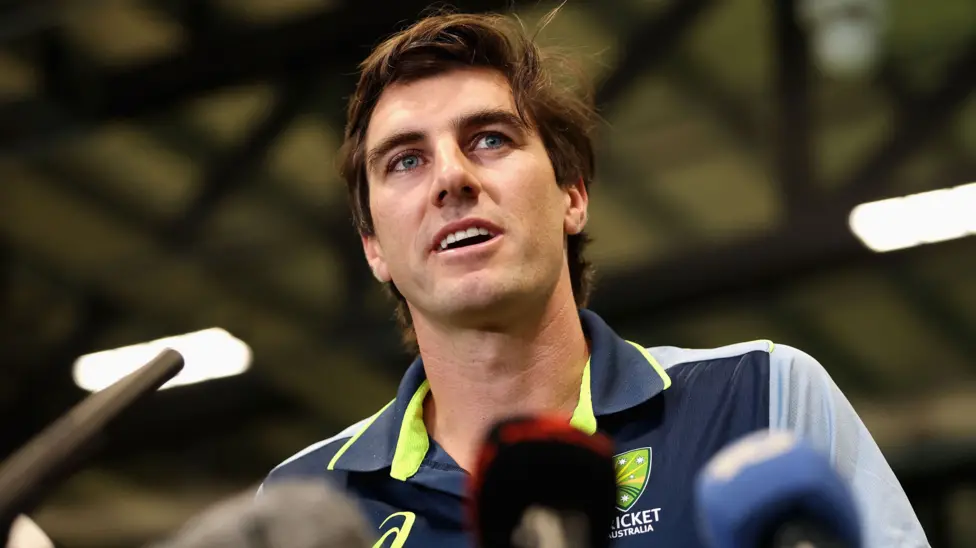
Australia Test captain Pat Cummins has delivered one of the most forceful public responses of his career, dismissing explosive allegations from former teammate Usman Khawaja about the 2018 sandpaper scandal as “100% wrong” and “complete and utter nonsense.” In an extraordinary press conference lasting nearly 70 minutes in Sydney, Cummins confronted the claims made in Khawaja’s newly released autobiography Sabr, drawing a firm line under the long-running controversy that once shook Australian cricket to its core.
The timing could hardly have been more charged. Khawaja’s book and accompanying interviews reopened old wounds just as the Australian summer of cricket began, forcing Cummins to step forward and address the issue head-on before it could overshadow the current series.
The Original Scandal and the Fresh Allegations
In March 2018, during the third Test against South Africa in Cape Town, cameras caught Cameron Bancroft attempting to alter the condition of the ball with sandpaper. The fallout was immediate and severe. Then-captain Steve Smith and vice-captain David Warner received year-long bans, while Bancroft was suspended for nine months. Cricket Australia’s investigation concluded that only those three players were involved in the plot. The rest of the squad, including the bowling attack of Pat Cummins, Mitchell Starc, Josh Hazlewood and Nathan Lyon, were cleared of prior knowledge.
Khawaja, who was part of that Cape Town side, has now challenged that official finding. In Sabr and subsequent media appearances, he asserted that knowledge of the sandpaper was widespread. “It was all of us. Not the batters, not the bowlers, not the staff. All of us,” he said. He further claimed he had warned Bancroft to be careful while using the abrasive material. David Warner has publicly supported Khawaja’s version of events, adding further weight to the renewed debate.
These statements placed Cummins and several other senior players under fresh scrutiny eight years after the original incident.
Cummins’ Direct and Detailed Rebuttal
Standing before a large media contingent at Cricket Central in Sydney, Cummins did not mince words. He systematically dismantled the central claim that the entire team had been in on the plan.
“When he says we all knew, if by that he means we knew sandpaper was going out on the field, he’s 100% wrong,” Cummins stated. “I’ve said that consistently for the last eight years. I did not know that was happening.”
He went further, addressing the more serious implication that senior players had orchestrated the scheme. “He says that I and others were architects of a scheme to ball-tamper with sandpaper. That’s complete and utter nonsense.”
Cummins was equally clear that no grand strategy existed. “There was no masterplan around using illegal methods. There’s no grand plan. There’s no team meeting. There’s no bowlers saying this is what must happen.” He contrasted the sudden jump to illegal methods with the legal techniques teams routinely use to obtain reverse swing, arguing that outsiders often assume a coordinated conspiracy where none existed.
The captain also expressed genuine surprise at one specific revelation. “I was genuinely shocked this week when I found out that Usman admitted that he told Cam to be careful when using sandpaper. That’s not the Usman that I know. It’s not the Usman that I think has been part of a team that’s helped rebuild the Australian cricket culture over the last eight years. The Usman I know would have stopped that from happening there and then.”
Friendship, Accountability and Moving Forward
Despite the strong language, Cummins repeatedly referred to Khawaja as a friend. The pair shared a dressing room for 56 Tests and earlier domestic cricket with New South Wales. Yet Cummins drew a clear distinction between friendship and accountability.
“Usman is a friend, but friends aren’t casual with each other’s lives and reputations. In his book he’s been casual with my life and the lives of many others – and, I think, Australian cricket. I support him to tell his story, 100%. I’m glad he feels like he can, but we have to be accountable for the things that we say and do.”
He described the manner of the revelations as “flippant” and “irresponsible,” arguing that vague assertions about collective knowledge carried real consequences for reputations that had already been carefully rebuilt. Cummins revealed he had received legal advice that some of the claims were “probably defamatory,” yet he ruled out pursuing court action. “You’ve got to move on. It’s been eight years. We’re moving on.”
The press conference itself was framed as a one-time clearing of the air. Cummins opened by promising to answer every question so that the topic would not need to be revisited every time a new book or interview appeared. He made good on that promise, remaining composed and detailed throughout the lengthy session.
The Broader Context for Australian Cricket
The sandpaper scandal remains one of the lowest points in modern Australian cricket history. It triggered a comprehensive cultural review, the introduction of stricter codes of conduct, and a deliberate effort to reshape the team’s public image. Under successive captains, including Tim Paine and then Cummins, the side has worked to restore trust both on and off the field.
Khawaja’s decision to revisit the episode in his autobiography has therefore landed with particular force. Supporters of his account argue that the three punished players carried an unfair burden and that greater honesty about collective responsibility is overdue. Critics, including Cummins, maintain that the original investigation’s findings still stand and that reopening the matter without new hard evidence risks undermining the progress made since 2018.
Warner’s endorsement of Khawaja has added another layer of complexity. As one of the three players who accepted full responsibility at the time, his support for a wider narrative carries symbolic weight. Yet Cummins pointed out that multiple players from that Cape Town dressing room hold different recollections, and those perspectives also deserve consideration.
What Comes Next
For now, Cummins has drawn a firm boundary. He has stated his position clearly, answered questions at length, and signalled that he considers the matter closed from his perspective. Whether Khawaja or Warner respond further remains to be seen. The Australian team, meanwhile, will attempt to shift focus back to the cricket as the home summer unfolds.
The exchange between two long-time teammates underscores how deeply the events of 2018 still resonate. Even after eight years of cultural repair and on-field success, the sandpaper scandal continues to provoke strong emotions and conflicting memories. Cummins’ determined defence of his own conduct and that of his bowling colleagues has at least ensured that one side of the story has been heard in full.
In the end, the captain’s message was straightforward: the claims of universal knowledge and orchestrated wrongdoing are, in his view, simply wrong. And after nearly 70 minutes of direct answers, he hopes the conversation can finally move on.
Follow for real-time match analysis!🚀
Discover more from DeeplyticAI
Subscribe to get the latest posts sent to your email.