Zidane Waited for France – Now Can He Harness Their Star Power?
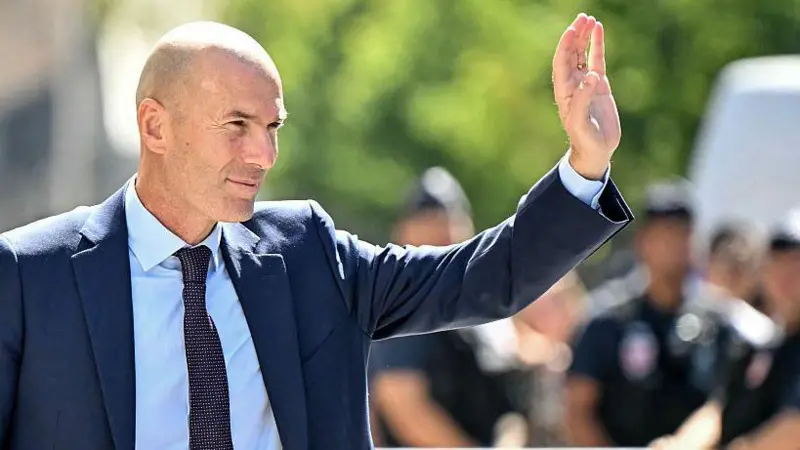
Zinedine Zidane finally has the job he always wanted. After years of patience and turned-down offers, the French football icon stands on the touchline as head coach of Les Bleus. The question now is whether he can harness the extraordinary star power at his disposal and turn individual brilliance into collective success.
A Dream Realised After Years of Waiting
In late July 2026, the French Football Federation confirmed what many had long expected. Zidane signed a four-year contract to succeed Didier Deschamps and lead France through to the 2030 World Cup. The appointment came shortly after France’s fourth-place finish at the 2026 tournament in North America, where a semi-final defeat to Spain ended their title hopes.
At his unveiling in Paris, an emotional Zidane made his motivation clear. “I had several offers in the last four or five years, but I turned them all down,” he said. “The national team is the only thing I wanted.” He explained that he had viewed the role as a future manager even while watching from the outside, deliberately avoiding club jobs so he could remain available for this opportunity.
The decision reflected deep personal connection. Zidane won the World Cup with France as a player in 1998 on home soil and later captained the side. Managing Les Bleus represented continuity with his playing career and the fulfilment of a long-held ambition. His four-year deal begins a new chapter after 14 years under Deschamps, the longest-serving coach in the nation’s history.
From Real Madrid Success to National Team Challenge
Zidane arrives with an impressive coaching pedigree. In two spells at Real Madrid he delivered three consecutive Champions League titles between 2016 and 2018, along with league successes. His strength lay in managing high-profile squads filled with strong personalities and elite talent. He created an environment where star players could express themselves while maintaining defensive organisation and team cohesion.
That experience appears particularly relevant for the current France squad. The attacking options available include Kylian Mbappé, Ousmane Dembélé, Désiré Doué and Michael Olise. Few national teams can match this level of individual quality in the final third. Zidane’s own playing style as a creative No. 10 suggests he will encourage more fluid, attacking football than the structured approach often associated with the previous regime.
Observers note that Zidane’s personal stature may prove an advantage. Even more than Deschamps, a respected figure in his own right, Zidane commands a level of reverence that can rival or exceed that of the players he manages. In a dressing room of major stars, this authority could help align egos and focus efforts on shared goals.
First Steps in the Nations League
Zidane’s competitive debut arrives quickly. France travel to Turkey for a UEFA Nations League fixture on 25 September 2026, followed by further matches against Belgium and Italy in a busy international window. These early games will offer the first insights into his preferred system, squad selections and on-pitch identity.
The coach has already indicated a desire to emphasise attractive, goal-oriented football. “What motivates me is the game,” he has said. “I was a No. 10, I like goals.” Supporters will hope this translates into a more expansive style that maximises the talents of Mbappé and the supporting cast of creative attackers.
At the same time, expectations remain high. France have reached the latter stages of major tournaments consistently in recent cycles. Converting that consistency into silverware is the clear objective. Euro 2028 in the United Kingdom and Ireland will provide the first major target, followed by the 2030 World Cup hosted across Morocco, Spain and Portugal.
Balancing Star Power with Team Cohesion
The central challenge for Zidane is clear. France possess exceptional individual quality, yet recent major tournaments have sometimes shown a gap between potential and performance on the biggest occasions. Managing the balance between allowing freedom for creative players and maintaining defensive discipline will be critical.
Zidane’s track record suggests he understands this tension. At Real Madrid he trusted elite attackers while ensuring the side remained difficult to break down. Applying similar principles to the international stage, where preparation time is limited, will test his methods. The respect he commands should help secure buy-in from the squad during the transition.
His coaching staff includes familiar faces such as David Bettoni from his Real Madrid days, alongside former teammates like Fabien Barthez in a goalkeeping role. Continuity in the backroom team may ease the early adjustment period for players accustomed to the previous regime.
A New Era Begins with High Hopes
The appointment of Zidane marks a significant moment in French football. After more than a decade under one coach, the national team enters a fresh phase guided by one of its greatest ever players. The wait is over. Now the focus shifts to results and style.
Can Zidane harness the star power of Mbappé and company? Early Nations League fixtures will provide the first answers. Longer term, success will be measured by performances at Euro 2028 and beyond. For a coach who deliberately waited for this opportunity, the pressure and the opportunity arrive together.
French fans will watch closely as the new era unfolds. The combination of Zidane’s authority, tactical experience and deep connection to the national team offers genuine promise. Whether that promise translates into the trophies the squad’s talent deserves remains the compelling question at the heart of this new chapter.
Follow for real-time match analysis!🚀
Discover more from DeeplyticAI
Subscribe to get the latest posts sent to your email.